Núria Parlon considers suing far-right figures for linking a Manresa murder to migrant minors. The suspects are Catalan teenagers, not foreign nationals. The case exposes deep political rifts over crime and migration in Catalonia.
Catalonia's Interior Minister, Núria Parlon, says she may take legal action against far-right leaders who blamed migrant minors for a recent murder in Manresa. The case has drawn sharp political lines, with extremist groups using the killing of Carles Vilajosana, a well-known local gardener, to push their agenda.
The controversy centers on public statements by Sílvia Orriols of Aliança Catalana and Ignacio Garriga of Vox. Both used social media to claim the crime was committed by Moroccan minors. Parlon, speaking on Catalunya Ràdio, called these claims xenophobic and false. She clarified that the suspects are 16-year-old Catalans—one with Catalan parents, the other with parents from outside Spain. Police and government sources, cited by EFE and ARA, confirm the suspects are 15 and 16, both born in Catalonia, and not unaccompanied foreign minors as some politicians claimed.
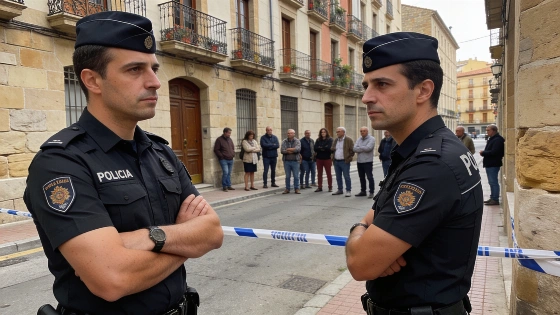
The police investigation established that the fatal incident occurred around 5:10 a.m. on Sant Jaume street during a fight between two groups of 4–5 people.
The murder, which happened early Tuesday, has unsettled the Bages region. The local council held a minute of silence and declared a day of mourning. Meanwhile, far-right groups organized protests in Manresa, repeating claims that link violent crime to migrant youth. Police say both suspects have prior records and were living in a squatted apartment previously flagged for disturbances by the Mossos d'Esquadra. As reported by ARA and EFE, Parlon has publicly rejected the idea that the suspects are tied to migrant centers, stressing their Catalan birth and backgrounds.
Parlon argues that police action alone is not enough. She points to deeper educational, family, and social issues that may have played a role in the suspects' actions. She called for broader reflection on how two teenagers could become involved in such a serious crime. The suspects are expected to appear before the Juvenile Prosecutor's Office on Wednesday, with their transfer to the Fiscalía de Menores scheduled for September 2, according to official statements.
This is not an isolated case. Across Spain, politicians have increasingly used crimes involving minors to push anti-migrant messages. As reported earlier, hardline rhetoric around migration has gained ground, with far-right parties using public fear to call for stricter policies and to target entire communities.
The investigation remains open, and police have not ruled out the involvement of additional individuals. Authorities continue to clarify the circumstances, while the case has already triggered political mobilization and protests, with some groups spreading xenophobic messages despite official denials of a migrant link.
In the Manresa case, misinformation spread quickly, even after authorities clarified the suspects' backgrounds. The rush to assign collective blame before facts were established shows how extremist groups try to polarize public opinion. Parlon's willingness to pursue legal action marks a shift: Catalan institutions are pushing back against efforts to link individual crimes to entire communities. Whether this approach continues remains to be seen, but the case highlights how easily public trust can be shaken when political actors put ideology ahead of verified information.