Judicial authorities in Ceuta have acted after a series of alleged sexual assaults linked to the mass entry of migrants on July 30 and 31, 2026. The High Court of Justice of Andalusia (Tribunal Superior de Justicia de Andalucía) said three Moroccan nationals who arrived during the crossings are being investigated in separate cases, two involving minors. Two suspects have been placed in pre-trial detention, while the third has been expelled to Morocco.
In a related case, a fourth individual was detained after reportedly entering a private home and getting into bed with a sleeping woman while wearing only underwear. He, too, was expelled to Morocco after being charged with unlawful entry. Authorities have also confirmed that seven more migrants were jailed in separate cases involving attacks on law-enforcement officers and other offenses, including aggravated assault and drug-related crimes.
Court details indicate that one detained suspect is accused of inappropriately touching a minor, while another faces allegations of raping a young woman and forcing her to sell drugs. The expelled individual is accused of sexual contact with an adult woman. The three complainants reached Ceuta during the crossings, which were primarily made by swimming from northern Morocco. Those arriving included an undetermined number of minors.
The four arrests followed at least six police reports from young women who entered Ceuta irregularly on July 30 and alleged sexual assaults. The Andalusian court said the incidents occurred on different dates and are being handled by separate courts. Court No. 4 is overseeing the case involving the expelled suspect accused of sexual assault and the rape allegation involving a minor. It is also handling the expulsion of the man who entered the woman’s home. Court No. 5 is handling the case involving the alleged touching of a minor.
In all three sexual-assault cases, judges have taken pre-constituted statements from victims and witnesses. The procedure records testimony under legal safeguards for use in future proceedings and helps spare victims from having to repeat their accounts. Two complainants are minors, and all are considered vulnerable. The process is intended to preserve their testimony in cases where they may be difficult to locate by the time of trial.
The scale of the crossings is reflected in differing administrative estimates. Interior Minister Fernando Grande-Marlaska described approximately 72,000 entries as the most reasonable estimate in parliamentary remarks. A later assessment based on basic-government and Ceuta records put the cumulative figure at at least 96,058, drawing on administrative data about accommodation and subsequent movements, including departures and returns. That larger figure aggregates administrative records and does not necessarily mean that 96,058 unique people crossed. The distinction matters as the criminal investigations proceed: the figures describe the scale of the emergency, not the number of people implicated in the cases.
Court No. 5 also ordered the detention of seven other migrants who arrived on July 30. Five face charges of attacking law-enforcement officers; another is accused of aggravated assault, and the remaining migrant of drug trafficking. In a separate case involving the alleged assault of two Spanish military personnel, prosecutors reportedly sought a four-year prison term and a ten-year ban on entering Spain, with expulsion to Morocco also requested. These are separate proceedings, and the allegations remain subject to judicial determination.
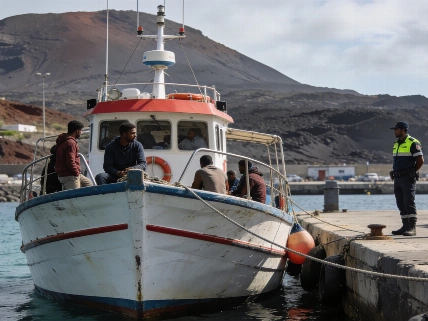
The crossings took place amid repeated attempts to reach Ceuta by sea. Spanish intelligence and security reporting cited nearly 13,000 attempted swimming entries during 2025. On July 30, Spain’s maritime rescue service confirmed that it had rescued migrants found in the water near Ceuta. The episode strained border control and reception capacity, while public facilities also came under pressure. The authorities’ response and allegations concerning security-force conduct became subjects of judicial scrutiny.
The effects continued after the initial crossings. Government-related estimates cited between approximately 10,000 and 15,000 people still in Ceuta in later updates, including about 3,300 minors in one account. Minister for Territorial Policy and Democratic Memory Ángel Víctor Torres put the number returned to Morocco since August at 13,101. Police and Guardia Civil officers also removed about 200 migrants from garages and rooftops in the El Príncipe neighborhood. Calls circulated on social media for another mass entry attempt on August 15, keeping attention on security and reception pressures facing the Spanish enclave.