A legal investigation into the Ceuta migrant influx now threatens top government officials. Political rivals demand accountability as the crisis exposes rifts within the ruling coalition. The government faces mounting pressure from all sides.
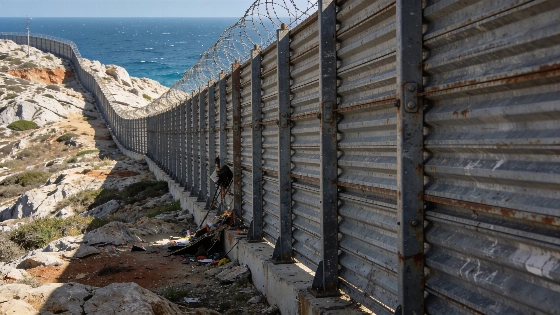
The Spanish government is facing direct legal scrutiny as the fallout from the Ceuta migrant crisis grows. With the National Court’s investigation moving forward, ministers and senior officials may soon be called to testify about their handling of the mass entry of migrants into the autonomous city. Opposition parties accuse the government of negligence and concealment, while coalition partners are distancing themselves from the official version of events.
Judge María Tardón’s decision to advance the judicial inquiry has ended any sense that the crisis could be contained politically. The sudden resignation of Gonzalo Sanz, chief of staff to Ceuta’s government delegate Miguel Ángel Pérez Triano, highlights the personal legal risks now facing officials. Sanz’s departure is seen as a defensive move as he prepares to testify before the National Court. According to Euronews and El Constitucional, the Audiencia Nacional has admitted the Spanish state as a prosecution party, and Ceuta is recognized as a direct victim, expanding the legal rights of both.
"Judge María Tardón has requested the declassification of intelligence and government documents related to the July events, bringing secret materials into the investigation for the first time."
— Euronews
Opposition leaders have seized on the crisis. Alberto Núñez Feijóo, president of the Partido Popular, accuses the government of knowing about the impending influx and covering it up, warning of political and judicial consequences. Vox echoes these charges and insists the investigation should reach the Council of Ministers. The government maintains that intelligence from the Centro Nacional de Inteligencia (CNI) did not reveal the true scale of the migration wave and rejects claims of a major error in handling classified information. As reported by Al Jazeera, the government acknowledges the CNI had information about a campaign, but says it did not indicate the magnitude or likelihood of the crisis.
Inside the cabinet, tensions have surfaced between Defense Minister Margarita Robles, who oversees the CNI, and Interior Minister Fernando Grande-Marlaska. Their conflicting interpretations of the intelligence reports have given way to a public show of unity, but the underlying disagreements remain. The government says more resources will soon restore order in Ceuta, but the situation is still unstable. Thousands of migrants are waiting for placement, and residents continue to face disruption. Media estimates of the number of migrants involved range from "tens of thousands" to "over 80,000," showing there is no agreement on the true scale of the influx.
Parliament has become the main battleground. The Partido Popular and Vox plan to present separate motions in Congress, each demanding accountability and threatening legal action against members of the executive. The upcoming control session will focus on Ceuta, with the government under constant attack. Even within the coalition, Sumar refuses to shield the government from criticism, points to Morocco’s role, and expresses dissatisfaction with the initial response. However, Sumar and PSOE deputies highlight the efforts of Youth and Children’s Minister Sira Rego, especially regarding the protection of minors in Ceuta.
"Spain has declassified around 40 documents related to the Ceuta crisis, aiming to clarify what warnings were received and who was informed before the surge in crossings. The government maintains that these documents do not prove prior knowledge of the full scale of the crisis, while opposition parties argue otherwise."
— El Confidencial
The controversy over the CNI’s declassified documents is unresolved. The government insists these messages did not indicate the magnitude of the crisis, while opposition figures argue that both the government delegate and intelligence services should have been fully aware of the threat. Claims that the CIA warned the CNI have been denied by the government, but the story continues in political circles. Miguel Tellado of the Partido Popular has accused Pedro Sánchez of willful negligence and suggests members of the executive could face charges before the Supreme Court.
As the legal process continues, coalition partners are demanding transparency and action, especially regarding the treatment of migrant children. Sira Rego is expected to address the challenges her ministry faces in ensuring the rights of minors, pointing to resistance from some autonomous communities and, in her view, instances of racism. Ceuta’s president, Juan Jesús Vivas, has acknowledged the ministry’s efforts, but the broader crisis remains unresolved.
For more on the legal aspects and the National Court’s role, see the previous investigation.
The Ceuta crisis has exposed deep problems in Spain’s political and judicial systems. The government’s refusal to offer scapegoats, combined with the opposition’s push for accountability, has left the executive vulnerable. The lack of a unified response within the coalition adds to the pressure. As the investigation widens and parliamentary scrutiny increases, the government’s strategy of denial and internal discipline is under strain. The coming weeks will show whether the government can regain control or if the Ceuta crisis will shift the balance of power in Madrid.