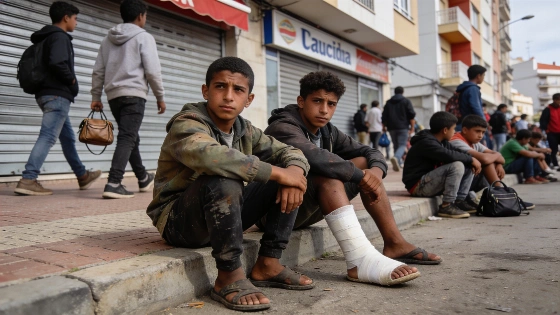
Ceuta is facing a severe humanitarian challenge as hundreds of migrant minors, many arriving alone or with siblings, go without basic care or shelter. The city’s reception centers have reached capacity, and staff cannot accommodate the surge in arrivals. Many children, some visibly injured or exhausted, say they have been turned away and spent days without food or medical attention.
Among those affected is Malak, a 14-year-old girl from Rincón (M’diq), who injured her ankle while crossing Morocco’s rocky coastline. She and her brother, both desperate for help, found only overcrowded shelters and had to wander the city. Other minors describe similar experiences. Ahmed, 15, from Mertin, said he slept outside a center and went hungry for two days. Groups of young migrants, some limping or visibly distressed, have been seen heading back toward the border after failing to find support.
Security forces are managing the situation and urging migrants to leave Ceuta for Morocco. On the beaches, Guardia Civil agents prevent newly arrived groups from leaving the water, while others gather in shaded areas or seek refuge in closed gas stations. The city’s shops remain shut. Tensions have risen in some neighborhoods, where residents and migrants have reportedly clashed.
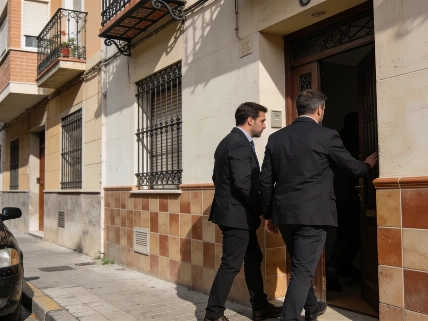
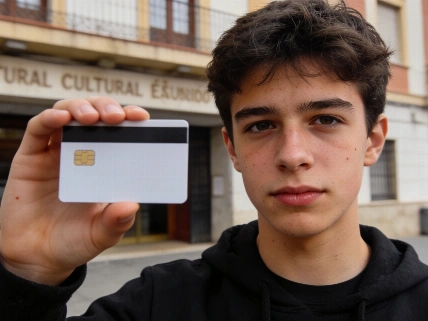
Officials responsible for child welfare in Ceuta describe the situation as chaotic. The number of minors in care jumped from 180 to 770 in just three days, overwhelming the system. Authorities say they had warned of a growing problem but received little response before the crisis erupted. The local prosecutor’s office has struggled to process new arrivals and requested urgent reinforcements from the Ministry of Justice. Officials are now collecting minors’ consent for age-verification tests, but a impressive backlog remains.
The emergency kept growing after the mass arrivals of 30 and 31 July. Ceuta’s ordinary child-protection capacity is 29 places. By 17 October, the city reported 3,086 minors in its care and said it had opened as many as 11 additional facilities from 1 August. On 21 October, Spain’s Minister of Inclusion, Social Security and Migration, Elma Saiz, reported that the system was caring for 3,331 minors, up from 180 before the influx. RTVE reported the figures. By 22 October, Ceuta’s government was reporting 3,390 minors, about 117 times ordinary capacity, and 12 newly established emergency resources alongside existing facilities. Named sites included the Centro de Realojo Temporal La Esperanza and Centro Mediterráneo. Centro Punta Blanca was also being adapted for emergency use.
Some families have faced agonizing choices. Fatihan, a 64-year-old from Castillejos, could not retrieve her 10-year-old autistic grandson, Bilal, who crossed into Ceuta alone. After hours of searching and negotiating with other returnees, she arranged for a neighbor to escort the boy back to Morocco. Many children, drawn by hopes of a better life or influenced by social media, have found hardship and disappointment in Ceuta.
The scale of the crisis is unprecedented. Authorities estimate that up to 50,000 people have entered Ceuta since late July, but constant movement across the border makes the exact number of minors unclear. The city’s response capacity is stretched to its limits, and local officials describe the situation as fluid and unpredictable. As recent coverage of the mass border crossings has shown, the sudden influx has exposed deep gaps in Ceuta’s ability to protect vulnerable children.
Spain’s autonomous city of Ceuta, on the North African coast, has long been a focal point for irregular migration from Morocco. The latest crisis shows how difficult it is for border regions to manage large-scale arrivals, particularly of unaccompanied minors. Spanish law requires authorities to care for migrant children, but the current wave has overwhelmed existing infrastructure. Under Article 35 of Spain’s Immigration Law, minors can be distributed among the autonomous communities. By 21 October, RTVE reported that 181 had been relocated through that mechanism and 107 had joined relatives on the mainland; a later tally put the family-reunification figure at 114. The Government of Spain also said that €25 million had been allocated for the reception of unaccompanied children and adolescents in Ceuta in 2026, following an agreement at the 27 August Sectoral Conference on Childhood.
Operational figures show the strain on care and processing. El Español reported on 23 October that 286 of the 3,331 minors registered in Ceuta had undergone age assessment, or 8.6 percent. Separate figures reported that day put the number of minors registered in the protection system at 3,434, with 310 assessments of minors and more than 5,400 triage assessments of adults. The Government of Spain also reported 12,705 returns to Morocco since 10 August; that figure covers returns overall, not the transfer of children. As migrant arrivals continue, the fate of hundreds of children remains uncertain.