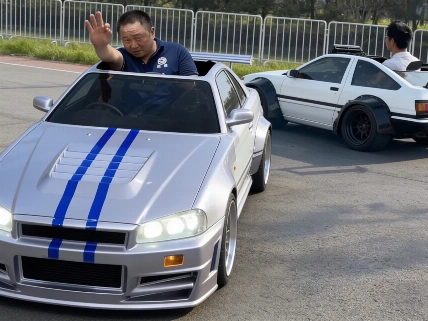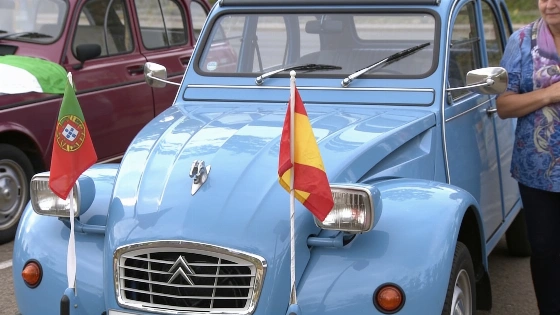
Engines rumbled through Olivenza before sunrise. Seventeen Portuguese vehicles crossed the border to start the 21st Rally de Coches y Motos Clásicas. The rally brought Spanish and Portuguese fans together over their shared love of classic machines, turning the border into common ground.
Fifty-six cars and motorcycles signed up this year. The route crossed the borderlands, with a basic stop in Elvas, Portugal. Models ranged from the 1960s to the 1990s. Each carried its own story. Rafa Corraliza, one of the drivers, remembered his first car: "I bought the car when I was 18. People said, 'Instead of buying an R-5, he gets an old Mercedes,' but that’s what I liked and that’s what I still keep." For him, and many others, these cars are more than metal. They’re part of life.
José Manuel Guerrero, the organiser, described the rally as a break from routine. "Today you forget everything you have every day and today you only talk about cars, engines, gasoline and these gadgets." For one day, nothing else mattered: just the sound of engines and talk of old cars. The Junta de Extremadura says classic car rallies in the border region receive official support to promote Extremadura and attract international participants.
This year, the rally carried special significance. It paid tribute to Eduardo Cristiano, president of Clássicos e Antigos de Elvas. For over twenty years, Cristiano has connected Spanish and Portuguese classic car groups, helping turn the rally into a cross-border tradition. Drivers from both countries honored him. The gesture showed that the event is more than a parade; it’s a living link between two communities. The Junta de Extremadura also says the Rallye de Cáceres, another major event in the region, draws participants from Spain, Portugal, South Africa, Andorra and Russia, making Extremadura a hub for international motorsport gatherings.
Classic car rallies like this keep European car culture alive. The cross-border route reflects a wider regional trend: old cars bring people together. As reported earlier, Spain’s car scene keeps changing, with old traditions meeting new ways for drivers to connect.
The Rally de Coches y Motos Clásicas turns a simple lead into a show of unity. In a place marked by borders, the drivers set them aside for a day. The rally brings people together around their shared passion for classic cars. No app or gadget can replace that. For everyone involved, the event connects the past with a tradition that still draws Spanish and Portuguese fans, wherever they call home.