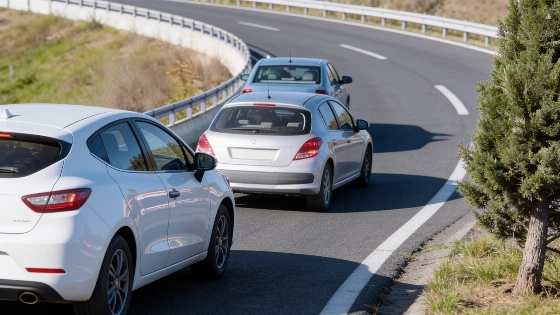
Drivers and motoring associations say the V16 beacon may not be visible early enough to warn motorists. They argue that warning triangles can reveal hazards further ahead. Guardia Civil officers have also questioned whether the beacon is visible enough, particularly in daylight on bends or stretches where the road changes elevation.
At a press conference, Pere Navarro, director general of the DGT, defended the device, saying it lights up and can be seen. The DGT presents visibility as a safety advantage over warning triangles. Two Guardia Civil officers brought the proposal to the DGT in 2015; Navarro has said the aim is to avoid requiring drivers to leave their vehicles and walk along the road to place a triangle.
Spain made the connected V16 the prescribed emergency-signalling device for applicable vehicles from 1 January 2026. Placed on the vehicle, it emits a visible light and sends the vehicle’s location to the DGT 3.0 platform. The incident can then be communicated digitally to approaching road users. When activated, the system’s location information is associated with the vehicle’s registration.
More than half of drivers have neither bought a V16 beacon nor intend to buy one, information from figures cited in the account. The resistance comes as the DGT continues to promote the device. GfK DAM audience figures reported by La Nueva España recorded about 8.5 million unique users on the DGT website in December 2025, up from 5.7 million in December 2024, a 47% increase. Motorists were seeking information about the new requirement and approved models.
The distinction between carrying a beacon and using one differs from the speeding complaints covered in the camera figures report. The account says Guardia Civil officers are not being told to check whether motorists carry a V16 or penalise them solely for lacking one. Fines are issued when a driver has an emergency and fails to use the beacon to signal it. Reporting on the rules identifies an €80 fine for not carrying a V16 or carrying a non-approved model. Navarro has said officers can report a driver who stops because of a breakdown or incident and fails to place the required beacon.
The account also says warning triangles remained permitted under an instruction the DGT gave the Guardia Civil. The V16 became the prescribed device under the new regime, but the account does not establish that using triangles alone was invalid in every circumstance.