At kilometre 326 of the A-7 bypass near La Canyada, the fixed camera generated an average of 249 speeding complaints a day in 2025, roughly one every six minutes. The limit there is 120 km/h for cars and motorcycles.
Automovilistas Europeos Asociados (AEA) recorded just six offences at the same site in 2024. Its figures do not explain the steep rise. The camera is in Paterna, on a route used by thousands of vehicles each day.
The second busiest device was on the CV-905 at kilometre 7 in Alicante, with 72,557 complaints. A camera on the A-15 in Navarra recorded 67,445. On the TF-2 in Santa Cruz de Tenerife, cameras logged 49,641 complaints; the A-7 in Málaga recorded 45,050.
Across Spain, the 50 most active cameras accounted for 1,342,285 complaints in 2025. AEA says DGT’s revenue from speeding fines reached €246.8 million, 14% higher than in 2024. Valencia province led with €18.9 million, followed by Madrid at €17.9 million and Cádiz at €16.5 million.
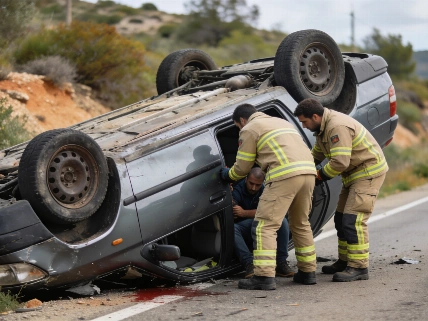
The concentration of complaints on major roads has prompted questions about where speed enforcement is focused. Around 70% of road accidents involving casualties occur on secondary roads, information from the source material. DGT’s road-safety material identifies speed as a recurring crash factor, alongside distraction and alcohol or drugs. Speed ranks first among its enforcement priorities. DGT then lists seat belts and child restraints, followed by helmets. Its priorities also include mobile-phone use, as well as alcohol and drugs. A separate dispute over DGT road-safety policy concerned the V-16 beacon; coverage of the V-16 dispute reported political distrust and price complaints among the reasons some drivers resist the device.
Mario Arnaldo, president of Automovilistas Europeos Asociados, argues that DGT should reconsider its radar policy. He says the current approach is failing to prevent speeding and crashes, and that cameras risk becoming revenue-raising tools.