Spain’s traffic boss claims some drivers shun the V-16 emergency beacon because they link it to Pedro Sánchez’s government. Months after launch, the device still faces resistance and price complaints.
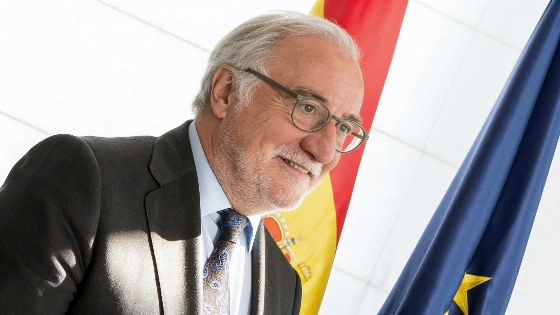
Ten months after Spain swapped warning triangles for the V-16 beacon, the country’s top traffic official has thrown fuel on the debate. Pere Navarro, who leads the Dirección General de Tráfico, now blames political animosity for the slow adoption. In a recent interview, Navarro didn’t mince words: “Este país es tan chungo que hay gente que dice que como esto es una iniciativa del Gobierno, es una iniciativa de Pedro Sánchez... no me voy a gastar 40 euros. Porque realmente no encontramos otros argumentos.”
From January 1, 2026, only the connected and certified V-16 beacon that transmits coordinates to the DGT 3.0 platform will be mandatory, replacing both warning triangles and non-connected beacons.
Navarro’s latest comments shift the focus from technical glitches and price tags to politics. He says DGT’s review of user feedback turned up no other clear reason for the resistance. “La verdad es que nos está costando,” he admitted. But the director’s theory doesn’t convince everyone. The V-16 beacon has drawn fire since its introduction, with critics raising doubts about its effectiveness and privacy safeguards. Some models were pulled from shelves, which only deepened suspicions that the measure was more about revenue than safety.
Price remains a sore spot. The original €40 figure has lost ground as retailers now offer V-16 beacons for less than €15, and some deals dip below €10. Still, the early price tag lingers in the public mind. Reports from Spanish outlets confirm the drop, but the perception of high cost persists.
Navarro has stated that there will be no postponement or extension for the mandatory adoption of the connected V-16 beacon, and the fine for non-compliance is set at €80, not €800 as sometimes erroneously reported.
Navarro’s claim that politics drives the backlash marks a first for a senior official. Still, DGT’s own analysis stops short of calling it the main reason. Reports from Cadena COPE and other sources show that some drivers refuse to pay for the beacon because they see it as a government project, but this remains an interpretation, not a proven fact.
The V-16 debate fits a familiar pattern in Spain. Previous government-led safety upgrades, like the expansion of the official car fleet under Sánchez, have drawn fire for outpacing infrastructure. The beacon’s rollout now faces the same mix of public skepticism and operational snags.
For now, DGT must convince drivers that the V-16 beacon delivers real value and overcome the political distrust that shadows new mandates on Spanish roads.