More than 30 specialists are working on victim identification at the forensic institute serving Toledo and Ciudad Real. The institute has received all 69 bodies recovered from the crash; 48 autopsies are complete, and five victims have been identified.
The provisional toll stands at 69 dead and more than 200 injured. The Guardia Civil has received 70 missing-person reports, including two for people later found alive. As of 08:40 on Friday, Castilla-La Mancha government spokesperson Esther Padilla said 50 injured people remained in hospital, 15 of them in intensive care, while 60 had been discharged.
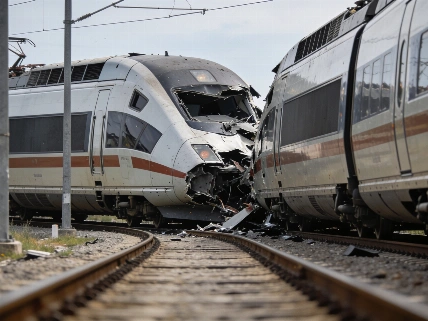
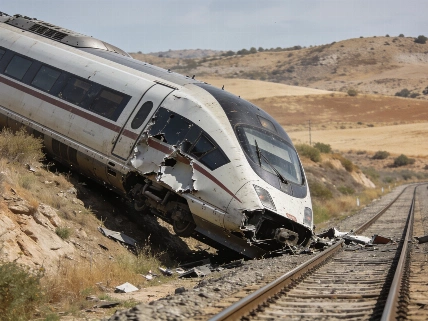
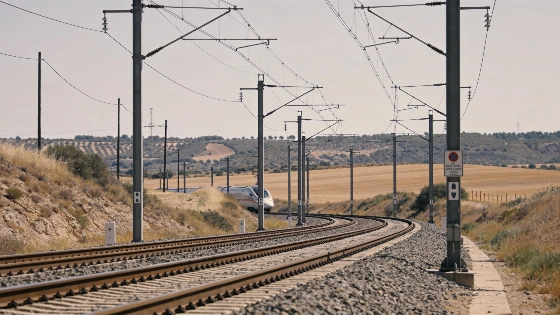
The collision occurred shortly before 09:00 on Wednesday, 28 October, near Urda, between Mora and Orgaz in Toledo, on the Madrid to Andalusia high-speed route, about 118 kilometres south of Madrid by rail. A Renfe AVE travelling from Madrid toward Seville struck a stationary Iryo train; two Iryo carriages derailed. Transport Minister Óscar Puente said the Iryo had stopped at a red signal at about 08:53 local time (07:53 GMT).
The AITAT says it is too soon to establish the cause. Its preliminary estimate puts the AVE’s impact speed between 160 and 200 km/h, while the Iryo was stationary. Train data recorders have been recovered for analysis. Investigators have not yet been able to interview the train drivers or circulation staff because they are not fit to give statements.
The AITAT’s preliminary reconstruction places the start of a disruption involving the LZB train-protection system at 08:31. The trains were then managed under Bloque por Señalización Lateral (BSL) procedures, which required information exchanges between Adif’s control centre and train crews. Investigators are examining the transition from LZB to BSL, along with communications and movement authorisations.
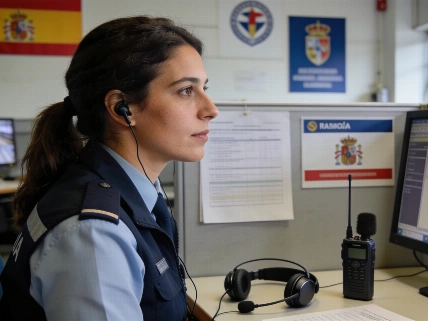
Signalling problems on the section are also under scrutiny. Notices from Adif reviewed by Cadena SER and published by La Vanguardia record at least nine signalling incidents there since 2024. The latest listed before the collision was in July. AITAT and the Guardia Civil are conducting parallel inquiries into the technical and operational causes, while also examining possible criminal responsibility. Investigators are examining the authorisation for the AVE to proceed and the information displayed on control screens, including why safeguards failed to prevent the collision. The inquiry is also reviewing communications between drivers and the control centre, with all lines of investigation still open.
CGT has called for a rigorous investigation and objected to public blame being directed at staff at Atocha’s Centro de Regulación y Control before the cause is established. Ramiro Aurín of the Spanish Association of Civil Engineers has described the workload at Adif’s control centre as unusually high. He argued that a single operator having decisive responsibility would indicate failures elsewhere in the system.
Families are still waiting for identifications as search and recovery work continues. An earlier report on the search covered relatives seeking information about missing passengers. At the site, cranes are working to move wreckage that is obstructing rescue teams.
The collision has also disrupted high-speed services between Madrid and Andalusia. Renfe is running special services via the conventional line, with road transport to be used if needed. Ouigo has cancelled its scheduled trains for Friday 30 October and Monday 2 November, a decision affecting almost 20,000 passengers.