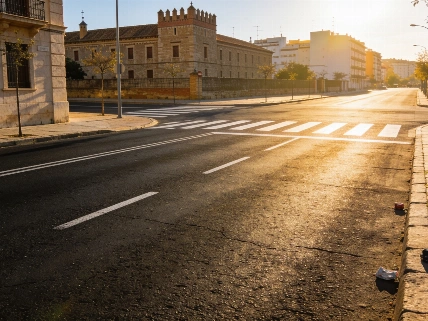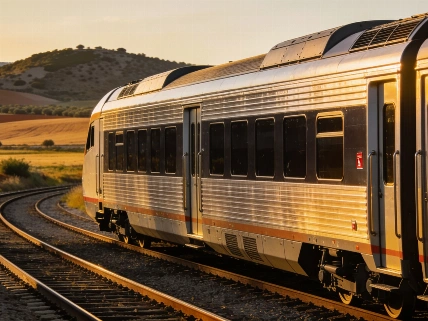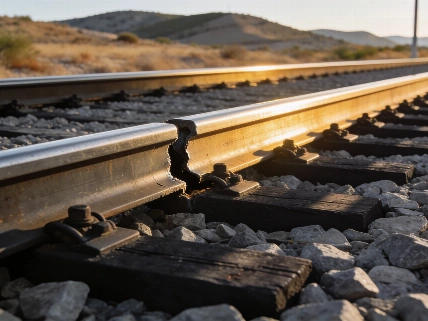
The city estimates that the suspension of high-speed trains between Madrid and Andalusia has contributed to accommodation losses of nearly €500,000 a day in Córdoba. Local tourism-sector representatives have also reported that accommodation reservations fell by about 30% after the interruption; the daily loss figure is an industry estimate. The disruption followed a railway accident at Urda, Toledo, on 28 October 2026, cutting Córdoba’s direct high-speed connection with Madrid. Renfe, Iryo and Ouigo could not provide normal service on the route. The city’s proposed response is a package of about €700,000 for tourism businesses, delivered through the municipal development institute Imdeec and tourism institute Imtur.
At the plan’s presentation on 26 November, Mayor José María Bellido described the measures as temporary support while the city works to restore rail services and visitor confidence. He called the response “a bandage on a deep wound”, saying buses cannot match rail’s passenger capacity. He said British tour operators were already considering other destinations for next year and called for professional engagement with them ahead of Fitur 2027. The timing has heightened concern across the sector: local tourism representatives say December and January account for almost 30% of annual sales. With the holiday travel period approaching, businesses still have no firm restoration date.
Imdeec plans to commit more than €300,000. Its proposed €160,000 ESAL grant line would offer up to €18,000 per association to support promotion and efforts to stimulate demand among nonprofit groups connected with accommodation, hospitality, commerce and other tourism-related businesses. Eligible expenses would cover the period from 1 December 2026 to 31 July 2027.
The institute also set out €100,000 for its Línea Financia programme, with a maximum grant of €8,000 per project. A further €18,000 is earmarked for a 30-day advertising campaign on buses in central Madrid and other main areas of the capital. Imdeec president Blanca Torrent said the measures would strengthen Córdoba’s promotion, support local businesses and help limit the economic impact. She also announced plans for a local tourism-sector observatory to track the disruption’s effects.
Promotion and access
Imtur has allocated more than €226,000 to marketing and promotion, including €61,000 for initial measures and €165,000 for an international campaign planned for the first quarter of 2027. The programme also includes a December 2026 visit for travel agencies from Mexico, followed by further activity in January 2027, with €28,000 assigned to that work. Another €20,000 is set aside for trips by content creators.
Imtur president Marian Aguilar said the institute had agreed on €77,000 in partnerships with tourism businesses. The city also plans radio advertising in December and a campaign with Civitatis to raise the destination’s profile.
Provincial president Salvador Fuentes said a Madrid promotion was intended to generate more than 30 million impressions. He also cited a reported fall of about 20% in visits to the Mezquita-Catedral. Separate promotion in the United Kingdom, Germany and the United States is intended to reach 50 million impressions.
The city and province are also working to expand Córdoba’s air connections. Bellido said the aim was to retain the Madrid flight and that talks concerned domestic destinations; local institutions say the airport’s lack of passport control prevents routes beyond the Schengen area. Fuentes said the province would promote road access through Málaga, citing its port and airport.
Rail operators have taken different interim steps while the Madrid-to-Andalusia line remains interrupted. Renfe blocked high-speed ticket sales between Madrid and Andalusia through 13 December 2026 as a preventive measure, while Ouigo extended its service suspension through 3 December. The ticket-sales restriction did not set a date for the line’s reopening.