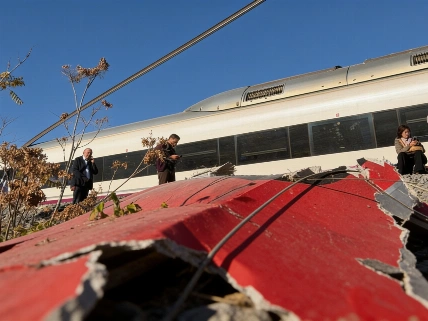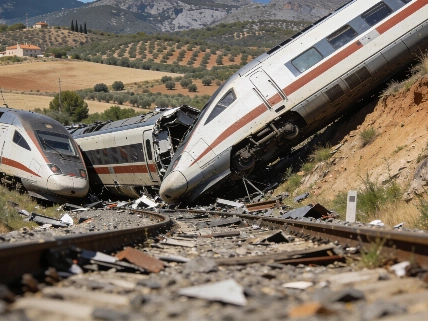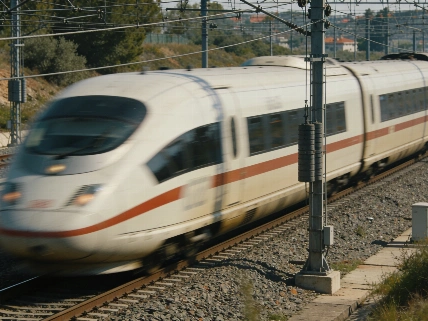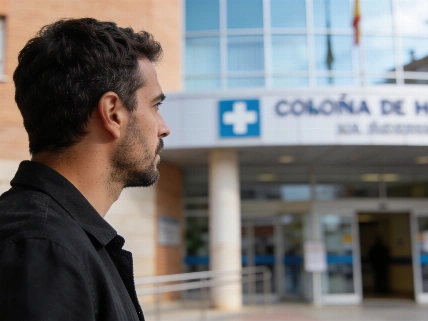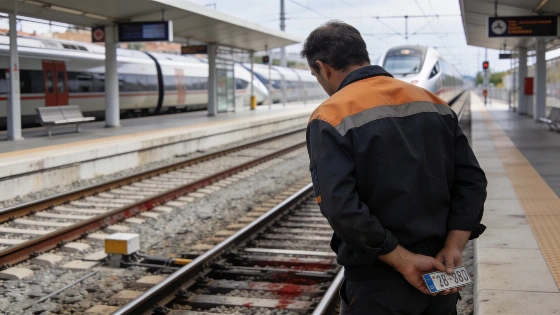
Diego González’s commentary puts Spain’s high-speed rail death toll at 115 in 2026 and blames the Government’s handling of the railway system. Both the figure and its attribution to poor management are claims in the commentary; the supplied material contains no supporting dataset or independent confirmation. The two fatal accidents cited occurred months apart: at Adamuz on 18 January and near Urda, Toledo, on 28 October. The reported tolls were 46 deaths at Adamuz and at least 68 at Urda, or more than 110 combined.
González calls for Transport Minister Óscar Puente to resign following the accidents at Adamuz and Urda. He argues that responsibility should rest with Puente and Prime Minister Pedro Sánchez, rather than with a deceased train driver or an Adif worker he describes as underpaid and poorly trained. At Adamuz, an Iryo train travelling from Málaga to Madrid derailed and collided with a Renfe service bound for Huelva; more than 100 people were injured. At Urda, a Renfe AVE and an Iryo train collided while travelling from Madrid toward Seville.
The commentary also alleges that investigations have stalled and that ADIF obstructed their progress. It accuses the Government of releasing audio from an accident and media outlets of publishing it without enough context. Spain’s independent authority for investigating rail and maritime accidents, as well as civil aviation accidents, AITAT, was constituted on 15 July 2026. It is investigating Urda while its Adamuz inquiry remains open. AITAT indicated that it would not complete the Adamuz investigation within the initial 12-month period, pushing expected final conclusions to no earlier than mid-2027; the structure allows six-month extensions when investigators justify their progress. In the Urda case, the Guardia Civil deployed more than 400 personnel. The judicial investigation was assigned to the judge on duty at Court of Instance No. 2 in Orgaz, who ordered secrecy over the proceedings and initial measures. The material does not provide evidence establishing González’s allegations of obstruction.
González further claims that Spain’s 2026 rail death toll exceeds that of any other country over the previous three years. He also compares the alleged high-speed fatalities with deaths in high-speed rail accidents worldwide since 2000. The material provided includes no figures or sources supporting either comparison. EFE reported that Adamuz and Urda were the only fatal accidents involving Spain’s high-speed railway since the network began operating in 1992.
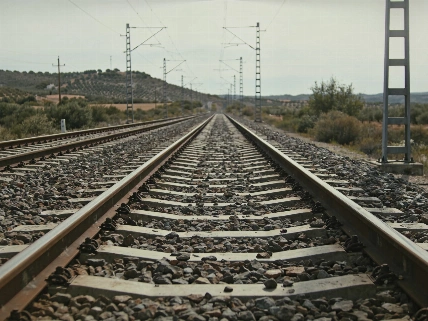
The material contains no response from Puente or Sánchez. It gives no official ADIF response and identifies no confirmed findings assigning responsibility. A preliminary Civil Guard report on Adamuz identified a defect affecting the track, including a possible fault in a rail or a weld between track sections, as the leading hypothesis, while retaining seven other possible explanations. Reuters reported that the investigation remained open, with no final finding assigning responsibility to the Government or Adif. Responsibility has not been assigned to Renfe or Iryo, nor to the driver or an individual employee.