With no medicine or medical instruments, emergency doctor Juan Manuel Parra assessed victims beside the wreck near Urda. One of the first he treated was a young man with an amputated arm. Parra improvised a tourniquet from a belt to stop the bleeding.
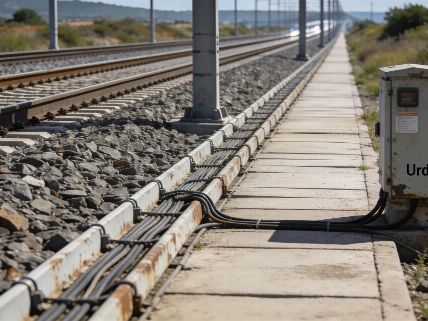
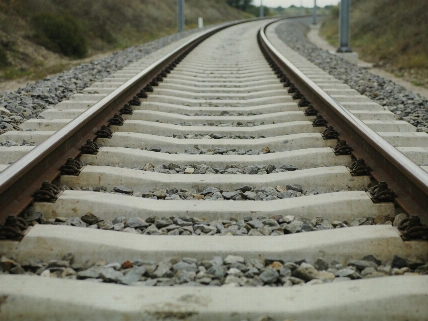
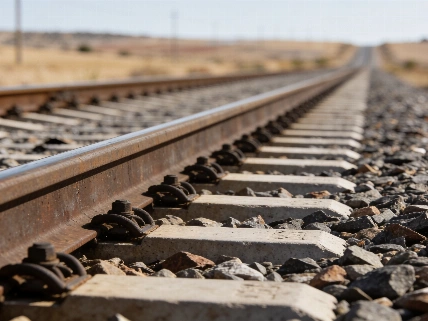
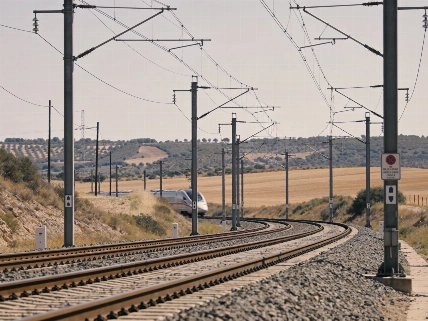
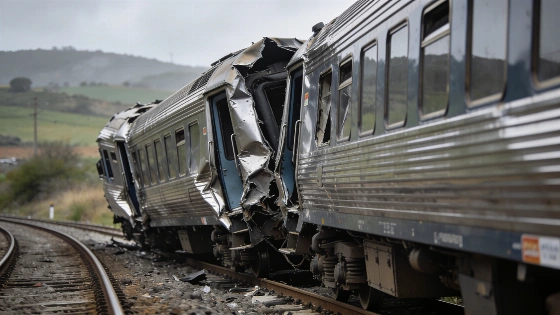
The collision occurred at about 08:53 on 28 October 2026, on the Madrid to Córdoba high-speed line between Los Yébenes and Urda, south of Toledo. Renfe AVE service 02080 was travelling from Madrid Atocha to Sevilla Santa Justa with 397 passengers. Iryo service 6076 was also bound for Seville and carried 147 people. Initial accounts said the Iryo train was stationary when the AVE struck it from behind. Two Iryo carriages derailed and fell down an embankment.
Parra works in the emergency department at Hospital de Alcorcón in Madrid and has 23 years of experience in emergency medicine. He was travelling in the last carriage of the AVE when it collided with the Iryo train. Sudden, heavy braking sent passengers and seats flying around the carriage. He thought the train had derailed, then escaped through an emergency window.
Outside, he found a scene he later described as resembling a war zone. The crash happened away from an urban centre, and passengers with medical training began treating the injured before professional crews had reached everyone. Emergency drills had taught Parra what to do, but the scene was different. Doctors and nurses travelling on the trains also began helping people before emergency teams arrived.
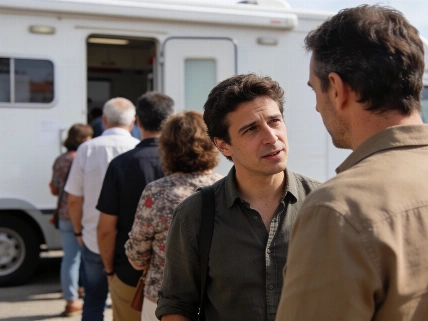
Parra quickly assessed the victims he could reach. He prioritised those needing urgent attention; some could wait, while others were beyond help. He and the other medical passengers identified themselves, then went to people calling for assistance.
When the Guardia Civil arrived, volunteer medical staff advised officers on removing passengers and bodies from the carriages. They also helped identify who needed assistance most urgently. A separate report on another first-aid account covered help given at the wreck.
Parra later said he continued to hear cries for help the day after the crash. He also wondered whether he could have reached more passengers in time.
The accident was not his first medical emergency to draw national attention. In October 2014, he treated nursing assistant Teresa Romero at Hospital de Alcorcón after she contracted Ebola while caring for missionary Miguel Pajares, who had been brought from Liberia to Madrid for treatment. With no clear protocol or adequate protective equipment, Parra later became the only Spanish doctor confined over the risk of Ebola infection during that episode.
After the train crash, Parra was back at his home in Madrid. He said he wanted to rest and forget what he had seen.