The Dodge Charger, born in the heat of the 1960s, has survived reinventions, cinematic fame, and the end of the V8 era. Its journey from muscle car to electric sedan reveals how American automotive culture keeps rewriting its own rules.
San Francisco, 1968. A black Dodge Charger R/T flies over city hills in 'Bullitt', chasing a Ford Mustang and something bigger—immortality. That car didn’t just race. It stamped itself into American memory. Even now, the Charger’s outline is instantly familiar. The world around it? Unrecognizable.
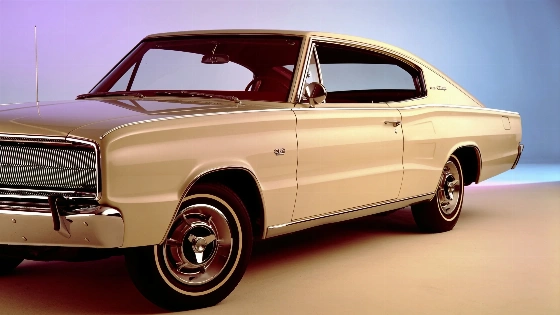
The Charger has changed more than most cars ever do. When it launched in the mid-1960s, Dodge wanted more than a way to get from A to B. The first Charger, built on the Coronet, came with a fastback body, hidden headlights, and V8 engines from 5.2 liters and 230 horsepower up to a 7.0-liter Hemi with 430 CV. It was Detroit’s answer to the Mustang, Camaro, and GTO. The fight for young drivers was on.
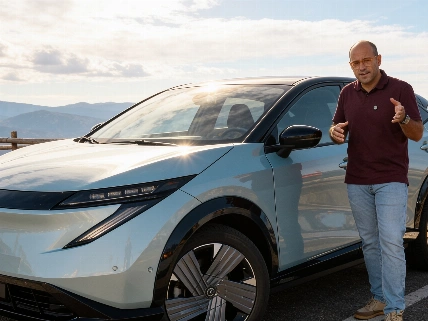
In 2025, the Charger was completely reimagined as a new generation, first as the electric Charger Daytona, with a gasoline-powered Sixpack variant added for 2026. The modern Charger is now available in both two-door and four-door body styles.
The first Charger didn’t take over right away. Reviewers liked its speed and build, but it got lost in the crowd. Then came 1968. Dodge dropped the fastback and gave the Charger a meaner look. Suddenly, it was everywhere. The Daytona version ruled NASCAR with its pointed nose and huge rear wing. On TV, it was the outlaw’s ride in 'Dukes of Hazzard'. In movies, it became Dominic Toretto’s weapon in 'Fast & Furious'.
By the late 1970s, the Charger was in trouble. Gas shortages and new tastes forced Dodge to turn it into a luxury coupe. The muscle was gone. The 1980s brought more changes: front-wheel drive, smaller turbo engines, even a Shelby badge. Purists groaned. The Charger kept going anyway. It had to. The market no longer wanted brute force alone.
Then came 2006. Dodge brought the Charger back as a four-door sedan. Rear-wheel drive returned. So did the Hemi V8. It worked. The Charger was a muscle car again, with wild versions like the SRT Hellcat. But nothing stays the same. The eighth generation, launched in 2024, dropped the V8. Now it’s all six-cylinder and electric. The shape is still bold. The sound? Different.
According to Stellantis industry reports, production of the new Charger has been moved to the Windsor Assembly Plant in Ontario, Canada, starting in 2025. This strategic shift is part of Dodge's broader plan to modernize its lineup and respond to evolving market demands.
Eight generations. The Charger has been a two-door muscle car, a family sedan, a NASCAR winner, and a Hollywood star. More than 90,000 second-generation Chargers rolled out. Its mark is everywhere—garages, racetracks, and the minds of car fans. The car’s changes track the industry’s own: first power, then efficiency, now electrification.
The Charger’s real power isn’t just under the hood. It’s in the culture. 'Bullitt', 'Dukes of Hazzard', 'Fast & Furious'—these made the Charger a legend. NASCAR wins with the Daytona and Plymouth Superbird forced rule changes. The car was too fast for the old rules.
The Charger keeps changing, but it never blends in. The 1968 model’s attitude—aggressive, loud, impossible to ignore—still lingers. The new ones swap V8 thunder for electric silence. But the spirit stays. Icons don’t survive by standing still. They adapt. As the car world goes electric, the Charger’s story is about survival as much as progress.
Watch the Charger and you see the whole industry move. As shown in recent electric car launches, legacy brands are racing to reinvent themselves. The Charger’s new chapter may not shake windows with a V8, but its rebel streak is alive. The next act is already rolling.