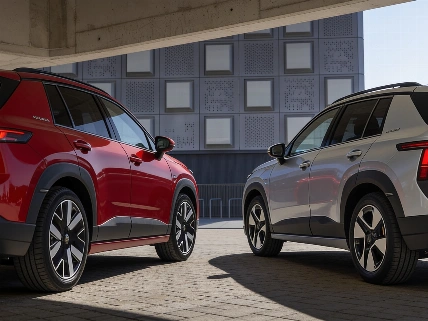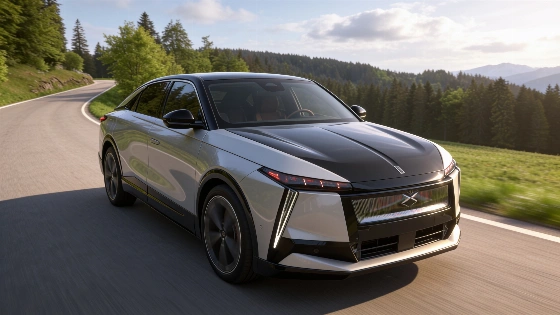
With its illuminated grille and sharply sloping rear, the DS Nº8 makes a clear statement. At 4.82 metres long, this flagship from DS fits neither the sedan category nor that of an upright SUV. Its coupé-like profile pairs elevated seating with a tapered body, reflecting a design-led approach to premium electric mobility. The model’s name, inspired by perfumery, hints at the brand’s ambition to create a sensory experience as much as a means of transport.
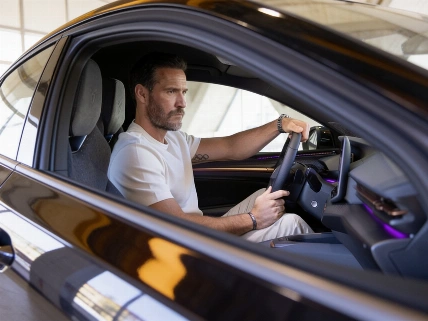
Inside, the DS Nº8 continues to break with convention. The dashboard draws attention to a 16-inch central display and the familiar Stellantis gear selector. X-shaped spokes on the steering wheel sit alongside distinctively designed door handles, while the rearview mirror combines traditional and digital functions. High-quality materials reinforce the car’s premium intent, as do its comfortable seats. Practicality is part of the package too: the N°8 has a reported 621-litre boot and a 2,900-mm wheelbase, shared with the related DS N°7 E-Tense. The N°8 is longer and lower.
Performance and range vary by version. The configuration tested here delivers 245 horsepower and uses a 97.2-kWh battery. DS quotes a maximum WLTP range of about 749 to 750 kilometres for certain configurations. In the German-market comparison by Ludego, prices start at approximately €54,499; the long-range, front-wheel-lead PALLAS version is listed at €59,299. DC charging is rated at up to 160 kW, and DS claims the larger battery takes 27 minutes to charge from 20 to 80%. These are test-cycle and manufacturer figures. Car-Optimiz estimates around 470 kilometres at a steady 130 km/h and roughly 450 kilometres in severe cold.
Independent driving reports show how real-world use varies by route and configuration. In a Top Gear long-term test of the 97.2-kWh AWD Long Range, the team recorded more than four miles per kWh on mixed roads and about 3.9 miles per kWh on motorways, putting its practical expectation at around 350 miles. French owner Hugo described an AWD version with an approximately 680-kilometre WLTP rating. He reported average consumption of 17.8 kWh/100 km over the first 9,973 kilometres, then 17.1 kWh/100 km over the following 1,796 kilometres. On a 500-kilometre trip using mainly national roads and 110-km/h routes, the car arrived with about 10 to 11% battery remaining. The ride is smooth and quiet. Its suspension absorbs road imperfections, and light steering encourages relaxed driving. Adjustable regenerative braking and a dedicated one-pedal mode add to the sense of control, though regenerative braking cannot be fully disabled.
DS deliberately chose to make its flagship a dedicated electric model with a coupé-like silhouette, rather than a conventional battery-powered SUV. The N°8 prioritises individuality and comfort alongside range and performance. Audi’s Q8 strategy offers a different contrast: reporting by Augsburger Allgemeine describes a gradual transition to full electrification while retaining combustion options, including diesel models in parts of the range. The N°8’s all-electric positioning sets it apart from a portfolio approach that continues to span multiple powertrains. The contrast reflects a broader shift among premium brands, as seen when Audi confirmed the continuation of its Q8 line with a renewed focus on electrification (Audi’s latest strategy update).
For drivers who value originality and a sense of occasion in their daily journeys, the DS Nº8 stands out as a compelling alternative. French design flair and advanced technology reinforce its focus on comfort, making it a noteworthy contender in the developing electric-vehicle market.
DS Automobiles is part of the Stellantis group, which has been investing in electrification across its brands. The DS Nº8’s launch reflects a broader shift in the European market, where manufacturers are distinguishing electric vehicles through design and user experience, alongside range and performance. As the segment matures, models like the DS Nº8 may help redefine what drivers expect from premium electric cars.