Spain’s electric car buyers are now caught in political crossfire as government infighting threatens to halt subsidies. With the Plan Auto+ funds exhausted and no new budget in sight, tens of thousands could be left without support for the rest of the year.
Car buyers in Spain looking to go electric just hit a wall. The Plan Auto+ subsidy fund is empty. Political fighting in Madrid has stopped any quick fix. Industry leaders warn that unless the government steps in now, support for electric vehicles could vanish for the rest of 2026.
This crisis started when Pedro Sánchez’s government failed to pass two housing decrees in Congress. That deadlock spilled over into the car sector. Industry sources say talks with the Ministry of Industry and Anfac are happening almost every day. They are scrambling for more money. Without it, many buyers may wait until January 2027, when the next round of subsidies is due.
A separate €50 million support line under Plan Auto+ was launched on October 1, 2026, specifically for companies and self-employed workers, with €42 million reserved for businesses and €8 million for autónomos.
Plan Auto+ was announced in December with a €400 million budget. It was supposed to push Spain toward electric cars. But the rollout dragged on. Incentives for electric vehicles only started in summer. The money ran out fast. The program covered both fully electric cars and plug-in hybrids. That meant demand quickly outpaced the budget. The sector had already warned the Ministry of Industry this would happen.
For buyers, the rules are confusing. Aid depends on the engine, price, and even where the car was made. Fully electric cars can get €2,250. Plug-in hybrids get €1,125. There are extra discounts if the car costs less than €35,000. More bonuses go to vehicles and batteries made in Europe. But now, with the budget gone, most buyers are out of luck.
Official sources quoted by top Spanish automotive outlets say the maximum subsidy for electrified vehicles can reach €5,500 to €7,500, depending on who applies and what type of vehicle it is. For vans, the top amount can go up to €12,000 in special cases. These numbers show that some support is still on paper, but the money is running out fast.
Applications for electric vehicle subsidies are processed exclusively through the Ministry of Industry and Tourism's online system, and eligibility is tied to vehicle registration in Spain and the CERO environmental label.
Industry insiders estimate that with only €400 million and 150,000 electric cars expected to sell in 2026, the average subsidy per car drops to €2,600. That is far below the government’s promised €4,500 maximum. In the best case, 50,000 buyers could miss out. In the worst, up to 80,000 people get nothing.
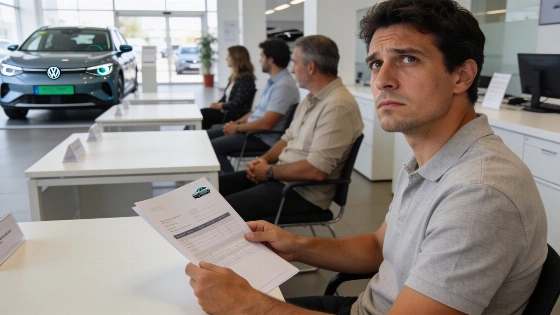
This is not just a paperwork issue. Spanish car sales data already show more people turning to used cars. Buyers are holding back on new electric models. They do not trust the incentives will be there. The Plan Auto+ system is tangled in red tape and shifting rules. That shakes confidence in Spain’s electric push.
The government once promised Plan España 2030 would bring €2 billion over five years to the car industry. That promise now looks shaky. The current mess shows how fragile Spain’s green mobility plans are when politics get in the way. Unless the Sánchez government finds new money soon, the electric car rollout could stall. Momentum is fading. The message is simple. Without steady support, even big plans can stop cold when politics freeze the budget.