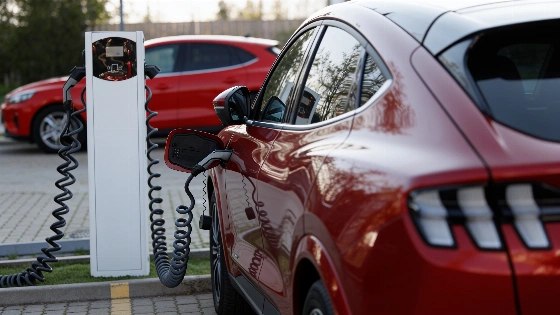
Electric vehicles now make up 10 percent of new car sales in Spain from January to August 2026. While Germany and France pull ahead, Spain and Italy are seeing slower but steady growth in electric adoption.
Electric cars have reached a new mark in Spain. From January to August 2026, they made up 10 percent of all new cars sold. The International Council on Clean Transportation (ICCT) released these numbers. It marks a shift for Spain’s car market, even though the country still trails the fast pace set by northern Europe. European automotive associations report that battery electric vehicles (BEVs) across the EU are growing even faster. In August 2026, BEVs took a 21.7 percent share of the EU market. From January to August, 1,641,333 new BEVs were registered in the EU, up 44.9 percent from the year before.
Demand for electric cars is rising across Europe. In August, electric models grabbed 29 percent of all new car sales on the continent. That’s a five-point jump from July. The ICCT credits strong sales in Germany and France. In August, electric cars made up 33 percent of new registrations in Germany and 38 percent in France. Over the first eight months of 2026, Germany’s electric share reached 27 percent. France hit 30 percent. Both countries saw double-digit growth compared to 2025. Official EU data shows Germany and France are leading the way, with BEV market growth of 53.1 percent in Germany and 74.2 percent in France for the same period.
In September 2026, Spain registered 8,269 fully electric passenger cars in just the first 18 days, with EVs reaching a record 21.3% monthly share—the highest since 2019.
Spain’s growth is slower, but it’s still moving up. The country’s electric vehicle share rose by two points from last year, now at 10 percent. Italy saw a three-point rise to 8 percent. Spain and Italy are behind their bigger neighbors, but the trend is clear. Spain is also seeing more hybrids and plug-in hybrids on the road. Hybrids are up 21 percent, and plug-in hybrids are up 33.9 percent year-on-year for January to August 2026, according to recent EU market reports.
Peter Mock, European director at the ICCT, called the August numbers “good news for governments and carmakers in Europe.” He pointed to strong interest in new electric models and the draw of lower energy costs, especially as oil prices stay high due to conflict in the Persian Gulf. Industry watchers say the change in Spain is already clear in the cars people are buying. In September, the Tesla Model 3 was the top seller in Spain with 1,723 registrations by September 19. Several Chinese brands are now in the top 10 electric models as well.
For Spanish buyers, the move to electric cars comes as fuel prices rise and there’s more pressure to update the country’s aging car fleet. The latest numbers follow a wider jump in electrified and hybrid car sales, as reported earlier. Brands like Dacia and Toyota have led the way in recent months.
Official EU data show that Denmark also posted strong BEV growth of 40.9% in January–August 2026, highlighting a broader European trend. For Spain, monitoring DGT and industry association reports is key to understanding whether the September surge in EV registrations will be sustained in the coming months.
Spain’s 10 percent electric share is still below the European average, but the pace is picking up. The country’s car industry, long focused on combustion engines, is now at a turning point. The numbers show more Spanish drivers are ready to go electric. The big question is whether charging stations, government support, and car supply can keep up with demand. For now, Spain’s steady rise points to a market that is changing fast—and not likely to turn back as Europe’s car future gets more electric every month.