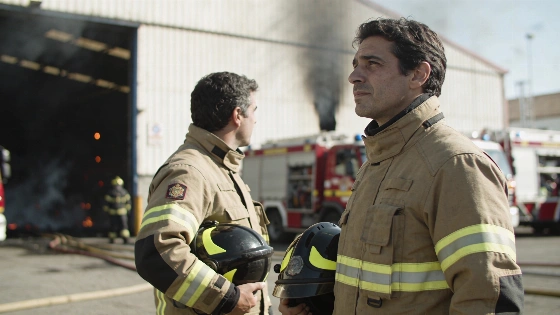
A wildfire that broke out on Thursday, 9 July, killed at least eleven people in Los Gallardos, a municipality in Almería with just over 3,000 residents. The blaze also affected neighboring Bédar and burned approximately 7,000 hectares, reaching inhabited areas and agricultural land. The latest figures announced during the emergency by the Junta de Andalucía reported eight injured, including four in serious condition who were being transferred to the Virgen del Rocío Hospital in Seville. Regional officials described it as the most consequential wildfire in Andalusia’s recent history.
Antonio Sanz, the regional minister for Presidency, Health and Emergencies, confirmed the updated death toll, revising the number of fatalities from twelve to eleven. He said the victims were caught off guard as the fire spread rapidly through rugged terrain dotted with scattered homes. Many of those who died were foreign residents or visitors to the area. Several bodies were found inside burned-out vehicles, showing the danger of trying to escape as flames advanced. The toll later rose to 15, after additional victims died following hospitalization.
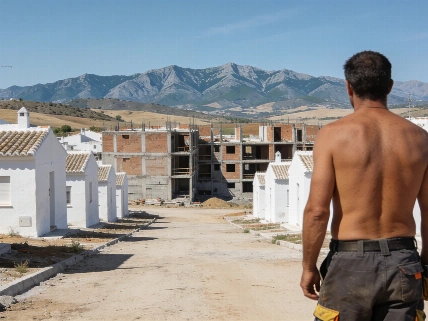
The difficult terrain around Los Gallardos hampered evacuations as the fire advanced. Emergency services responded through Plan Infoca, Andalusia’s wildfire prevention and firefighting structure. The disaster’s impact extended beyond the loss of life: reports described damage to livestock and grazing resources, along with risks to homes and agricultural activity. The cause of the fire remained under investigation in the initial emergency updates.
The tragedy unfolded during an exceptionally severe wildfire season in Spain. By 21 October, Copernicus-linked reporting put the national area burned at 301,413 hectares, or 43% of the European Union total. In Andalusia, the regional seasonal assessment recorded 58,735 hectares burned and 6,444 people forced to leave their homes at some point because of threats to life. The wider season also included major fires in Niebla and Villanueva de los Castillejos. The Castillonroy, Huesca, fire earlier in the summer destroyed hundreds of hectares and forced road closures, as detailed in a recent report on the emergency response to the Castillonroy fire.
Reviewing the season, Sanz said natural emergencies were becoming more severe and displaying “behaviour never seen before,” adding that “this exceptional situation is here to stay; it is a new reality.” The regional assessment also recorded 23 arrests and 14,721 administrative complaints for imprudence across Andalusia. Those figures cover the season as a whole, not specifically the Los Gallardos fire. The disaster has renewed attention to evacuation planning and coordination between municipalities, particularly in rural areas where dispersed homes and difficult terrain can complicate emergency response.