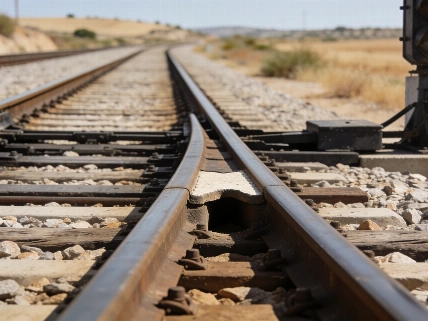
The Adamuz rail disaster on 18 January 2026 killed 46 people and injured more than 100. Its causes are still under investigation. Spain is now seeking European technical support for the Urda inquiry, where 69 people died. The Urda collision occurred near the town in Toledo province on 28 October 2026 and involved a Renfe train striking the rear of a stationary Iryo train.
Apostolos Tzitzikostas, the European Commissioner for Transport and Tourism, said on Wednesday, 4 November, that Spain’s investigation authority had asked the European Union Agency for Railways, or ERA, for assistance. The request came from the independent Spanish authority AITAT, formally the Autoridad Administrativa Independiente para la Investigación Técnica de Accidentes e Incidentes ferroviarios, marítimos y de aviación civil. The agency will provide the requested technical support, but Spanish investigators will retain full authority over and direction of the inquiry.
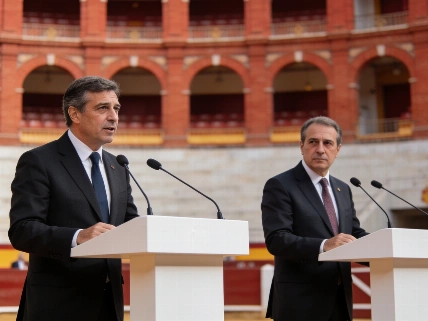
Tzitzikostas also said he had told Spain’s transport minister, Óscar Puente, that the European Commission was ready to help through the ERA. The division of responsibility is clear: European expertise may support the work, while Spain remains responsible for the investigation. Tzitzikostas announced the request at a European Commission press conference in Brussels.
The commissioner described two fatal railway accidents in a year as “very concerning,” according to the Spanish translation. He said the authorities had sought to prevent precisely this loss of life. On 2 November, Prime Minister Pedro Sánchez said the government would support the families of the 69 Urda victims through their grief and administrative procedures. He also pledged help as they seek answers about the crash.
He also argued that the European rail network needs faster deployment of ERTMS, the European Rail Traffic Management System, to raise safety standards and support high-speed rail. The supplied account says the Sevilla-Madrid high-speed corridor is not yet equipped with the system.
The Adamuz investigation is examining the derailment of an Iryo train travelling from Málaga to Madrid and its collision with a Renfe Alvia heading in the opposite direction. Tzitzikostas said it was too early to draw definitive conclusions about the causes.
Alongside the investigation, Spain’s Council of Ministers approved a victim-support decree on 3 November with a stated €30 million framework: €15 million for direct aid and €15 million for advances under civil-liability insurance. Implementing figures set the total allocation at €30,618,330.48, split equally between immediate aid and compensation advances. Direct assistance for each deceased victim is €72,121.46; payments for injured people range from €2,404.04 to more than €84,141.70, depending on injury severity. The tax-exempt aid is separate from other compensation available under passenger-protection and civil-liability rules.
The decree also provides support for immediate needs, including accommodation and transport, and separately covers baggage. Comprehensive support centres were established through government delegations and sub-delegations, with home assistance for people unable to travel. Applications are due within three months of the decree’s entry into force.