Cybercrime in Extremadura rose from 4,638 cases in 2020 to 9,593 last year. At a Badajoz event, the Guardia Civil and University of Extremadura warned of risks to young people, including AI-manipulated images and cyberbullying.
Fifteen minors were convicted in 2024 after using artificial intelligence to turn social-media photos of teenage girls into nude montages in Almendralejo, Badajoz. They shared the images in two WhatsApp groups. The case came up at a University of Extremadura and Guardia Civil event in Badajoz focused on the risks young people face online.
The investigation began in September 2023, after families reported that fake nude images of girls aged 11 to 17 were circulating in WhatsApp and other teenage chats. The images were made from photographs taken from social media and altered with so-called “nudify” applications. Police initially identified 22 victims and ten suspected participants, aged about 13 to 15. Prosecutors received a police dossier of around 200 pages to assess possible criminal responsibility.
On June 20, 2024, the Badajoz juvenile court issued an agreed ruling involving 15 teenagers. Published accounts said the court found them responsible for 20 offences related to child pornography and 20 offences against moral integrity. The measures included one year of supervision and a compulsory educational programme covering sexuality and gender equality, as well as responsible use of technology.
The figures show the wider scale of the challenge. Cybercrime in Extremadura more than doubled over five years, rising from 4,638 cases in 2020 to 9,593 last year, according to the Ministry of the Interior.
Most of those offences involve property and primarily affect older people. The ministry’s figures also show increases in threats and coercion, along with offences against honour. Sexual offences have risen too. The Guardia Civil says young people are the main victims in these latter categories, with cyberbullying and sexual offences among the reported problems. AI-generated deepfakes are another concern.
The Almendralejo case began in 2023, when images of teenage girls were taken from social media and altered with AI-generated nude bodies. A year later, 15 minors were convicted of child pornography and offences against moral integrity. Under Spanish law, children under 14 cannot be held criminally responsible; for those aged 14 and over, the legal assessment can depend on their age and whether they created, kept or distributed the images. A separate Madrid case involving minors concerned allegations against a teacher; police said some alleged assaults were recorded.
Colonel Jesús Gonzalo, head of the Guardia Civil’s psychology cabinet in Extremadura, has argued that technology itself does not harass or insult; the harm depends on how people use it. He says responses need to bring schools and families together with public institutions and administrations, while law enforcement investigates technology-related offences.
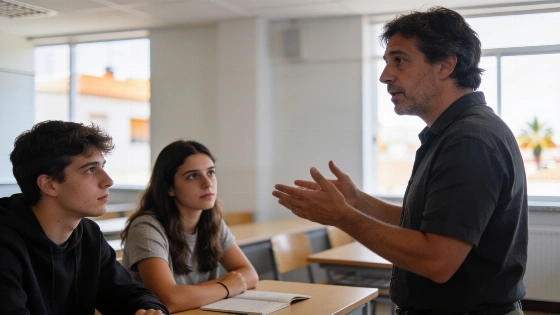
The event at the Faculty of Education and Psychology also brought together the university’s leadership and the Guardia Civil. Regional chief Andrés Manuel Velarde said the force sees these problems in its daily work and wants to share its experience with the education community. Rector Pedro Fernández Salguero said he was concerned about the effects of technology-related mental health problems on students, including isolation and loneliness.
The University of Extremadura says it will soon open a psychological support service for its university community.