A far-right group linked to España 2000 is launching street patrols in Valencia. The initiative, masked as a social NGO, focuses on areas with high immigrant populations. Authorities are monitoring the situation.
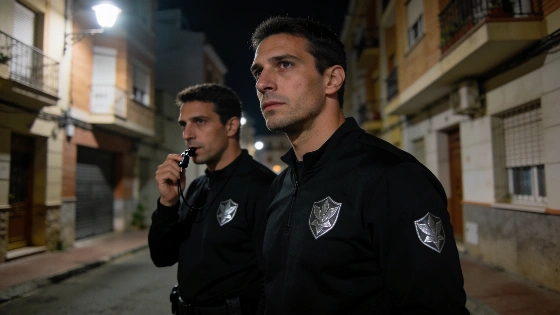
In Valencia, the far-right party España 2000 has initiated a new wave of street patrols under the guise of a social NGO, focusing on neighborhoods with significant immigrant communities. The group, calling itself Ángeles de la noche, is preparing to operate in La Malvarrosa, a district known for its proximity to Las Casitas Rosas, an area associated with drug activity. Members wear black uniforms marked with a silver logo and plan to patrol in teams, citing concerns over rising insecurity.
Despite presenting themselves as a spontaneous group of concerned residents, the operation is orchestrated by España 2000, led by José Luis Roberto Navarro, a 72-year-old lawyer and private security businessman. The initiative is formally managed through the NGO Hogar Social Patriota María Luisa Navarro, registered as a social assistance entity in 2010. According to El País, Roberto openly acknowledges his leadership role and insists the patrols are legal, stating they will coordinate with police and report their activities to authorities.
Each patrol squad consists of six members, most of whom are España 2000 affiliates with martial arts training and a strong anti-immigration stance. The group claims its main goal is to assist police in so-called 'hot spots' and to detain suspects until law enforcement arrives. Volunteers are instructed to carry only whistles and adhere to a strict code of conduct to avoid incidents. The patrols will also distribute safety leaflets to tourists, with initial efforts concentrated in immigrant-heavy areas before expanding to central Valencia.
Roberto, known for his far-right ideology and controversial background, has recruited Ricardo Ferris, a former chief inspector of the National Police in Valencia, to oversee the patrols. Ferris, who was removed from his post after linking immigration to crime at a Vox event, is now retired and involved in Roberto's security business. He describes the patrols as 'the eyes and ears of the police.'
The headquarters for this operation is located near La Malvarrosa, where the group also organizes events featuring figures from Spain's far-right scene. The NGO previously gained attention for distributing food exclusively to Spaniards, following the example of Greece's Golden Dawn. This led to the local food bank cutting off supplies, forcing the group to collect donations outside supermarkets.
Roberto's network extends into the private security sector, with his main company reporting significant profits and public contracts in recent years. He admits that most of his security businesses, both in Spain and abroad, are not registered under his name, a strategy aimed at avoiding political obstacles in public tenders. His past includes surviving a letter bomb attack in 2003 and organizing far-right demonstrations, such as the 2021 march in Madrid's Chueca neighborhood.
Workshops on self-defense, including techniques taught to active members of the police and military, are also part of the group's activities. The organization maintains strict secrecy regarding its internal structure and financial operations. The emergence of these patrols has raised concerns among local authorities and residents, especially given the group's explicit anti-immigrant rhetoric and history of legal disputes over hate crimes.
Valencia has seen a rise in far-right activism in recent years, with España 2000 previously securing local council seats before the rise of Vox. The use of NGOs as a front for political activity is not new in Spain, but the direct involvement of former police officials and the focus on immigrant neighborhoods mark a notable escalation. According to available data, the Spanish government and local authorities continue to monitor such initiatives closely, emphasizing the importance of maintaining public order and preventing vigilantism.