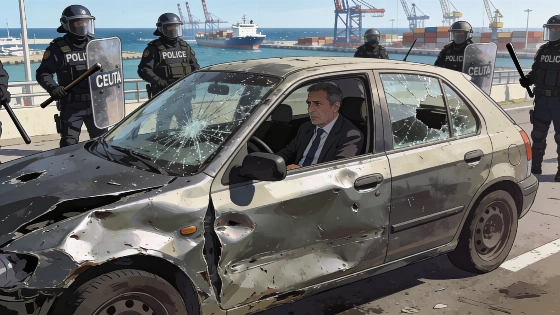
Alberto Núñez Feijóo has condemned the attack on a Ceuta deputy. Police detained at least one young Ceuta resident after the incident, while the investigation continues amid a wider migration and security crisis.
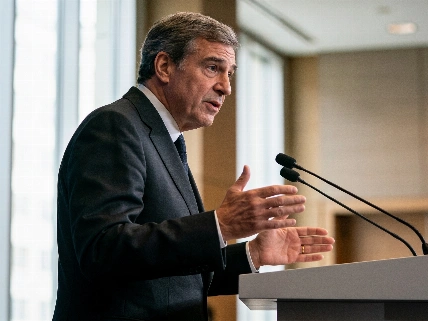
An attack on the vehicle carrying Ceuta deputy Julia Ferreras has pushed the city's security crisis into a political fight. Alberto Núñez Feijóo condemned the incident at a press conference in Ceuta. He said violence has no place in a democracy. He also used the moment to support military personnel who have suffered attacks.
The incident happened at the port after several people gathered over the alleged arrival of members of the collective Negu Gorriak/Derecho a Techo. The protest turned into an attack on the deputy's vehicle while she was inside it and driving through the area. According to several reports, police detained at least one young resident of Ceuta. The vehicle was damaged, and further arrests remain possible.
Police detained at least one young resident of Ceuta after the port attack, while the investigation remains open and authorities have not ruled out further arrests.
Reports say some protesters mistakenly believed the people inside the vehicle were members of Negu Gorriak/Derecho a Techo. Ferreras was travelling with activist Rafael Borrego and human-rights defender Sofia Canovas. They were also targeted in the attack. Prime Minister Pedro Sánchez later expressed solidarity with all three.
Feijóo's position was clear: no cause or protest can justify violence. The Delegación del Gobierno in Ceuta and the government of the autonomous city also condemned the attack. They said violence cannot be a legitimate form of protest. Feijóo placed the incident within a wider dispute over public safety in Ceuta instead of treating it as a stand-alone confrontation at the port.
He also expressed support for residents after what he described as a rise in insecurity lasting almost two months. The PP leader said Ceuta was probably going through its most difficult period in living memory. Culture Minister Ernest Urtasun also criticized him. Urtasun urged Feijóo to condemn the attack without qualifications and reject what he called an ultra-oriented discourse on migration.
Italy and Spain extended temporary internal Schengen border checks until 8 October, citing continuing risks to internal security. The measure reflects how the tensions around Ceuta have begun to affect security policy beyond the autonomous city itself.
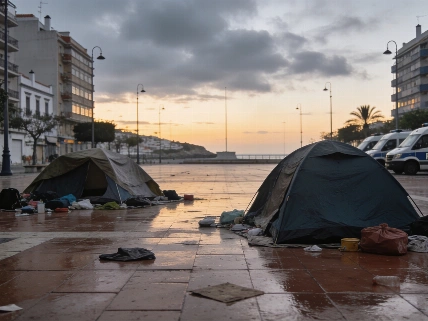
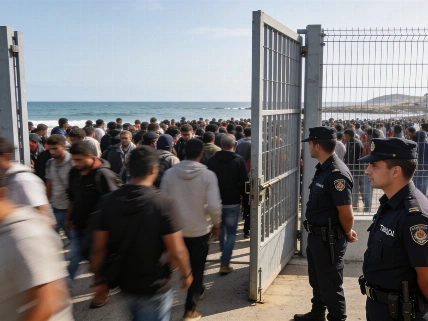
That view follows earlier warnings about pressure around the city's border and security situation. Reuters has reported that Spanish authorities estimate about 12,000 migrants remain in the territory, including minors. Police operations to move migrants away from beaches have continued. BBC reporting also described residents' concerns about safety as local services and public spaces came under pressure.
The migration crisis has become the backdrop to the political dispute over the port attack. Feijóo's visit to Ceuta and his claim that democracy leaves no room for violence formed part of a wider argument about worsening security. The circumstances of the attack are still under investigation. Official statements have not treated the incident as a reason for collective blame against protesters or migrants.
The episode has increased calls for a clear political response. Feijóo has used it to argue that Ceuta is facing a wider security crisis. Local and central authorities have focused on condemning the assault and protecting the right to protest without violence.