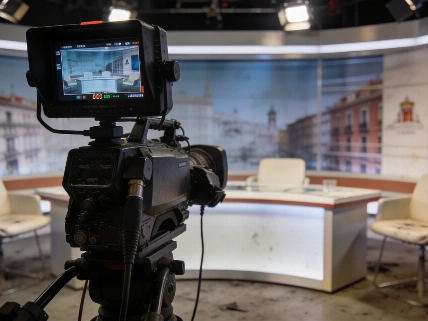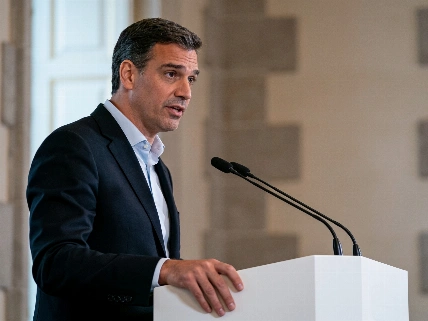
Alberto Núñez Feijóo, president of the Partido Popular (PP), appeared on Antena 3’s El Hormiguero amid political tension and recent scandals. The program opened with a reference to controversies surrounding the PSOE, while host Pablo Motos made clear that the focus would be Feijóo’s role as a potential prime minister.
Feijóo began the show with a personal message to Ilia Topuria, expressing support after the fighter’s recent defeat and stressing the importance of ability to recover. The gesture brought a lighter tone before the conversation turned to politics. Motos, known for his close ties to Topuria, acknowledged the moment’s emotional weight and briefly connected sport with national politics.
The interview turned to Spain’s political turbulence when Motos questioned Feijóo about the state of democracy, citing scandals affecting the Socialist government. Feijóo rejected the suggestion that democracy was at risk, while acknowledging the country’s challenges and need for stability. He emphasized his commitment to decency and called for building bridges. The discussion also touched on the PP’s agreements with Vox and competing views on national policy priorities.
Addressing those agreements, Feijóo said the official documents focus on place of residence and length of registration, rather than distinguishing between Spaniards and immigrants. He argued for allocating resources in an organized, prioritized way and rejected suggestions of discrimination. The conversation also turned to his experience managing public funds: the PP leader said he had worked with public money since he was 29.
One of the interview’s sharpest moments came when Motos asked Feijóo whether he had a safe. Feijóo simply said no. The exchange drew attention to the scrutiny public figures face amid corruption allegations in Spanish politics. He also said he would not seek support from EH Bildu, despite speculation about possible alliances.
Throughout the program, Feijóo maintained a presidential tone, calling for four years of public trust and promising to accept the next election’s results. Public confidence and party alliances were basic to the debate, alongside the handling of scandals and Spain’s political leadership.
In later campaign statements in October 2026, Feijóo made corruption investigations a basic theme in his criticism of Prime Minister Pedro Sánchez’s government. He described Sánchez’s political activity as a “spectacle” that might cause judges to stop acting and distract people from what he called the legislature’s “countless scandals.” Feijóo also cited 17 open proceedings, along with “130 people under investigation” and “2,400 years of prison sentences.” Those were his political counts, not an official judicial total. Separate coverage recorded his reference to 16 proceedings, another figure attributed to Feijóo.
Those later campaign claims are distinct from the El Hormiguero appearance. In an interview with Cadena COPE, Feijóo also questioned whether money connected to Sánchez’s family and prostitution had financed the PSOE leader’s basic campaign. He posed this as a political question, not an established judicial finding. Feijóo separately accused Sánchez of using fear and political confrontation to divert attention from investigations. He also alleged that election timing was intended to obstruct inquiries into PSOE financing. These were opposition claims about the prime minister’s motives.
Feijóo’s later messaging framed the political dispute around public services and integrity. At an event covered by ARA, he said: “Pensions, yes, of course. Jewels in safes, no. Public healthcare, yes. Sausages, no. Public education, yes. Bribes, no.” The slogan was part of a broader PP campaign focused on decency and corruption controversies.
El Hormiguero is one of Spain’s most prominent talk shows, giving politicians a platform to reach a broad audience. Controversies involving the PSOE have kept pressure on government and opposition figures, while coalition agreements and the allocation of public resources remain recurring subjects of debate, particularly ahead of national elections. Feijóo’s high-profile appearance reflected public demand for clear answers from those seeking to lead the country.