Alberto Núñez Feijóo says girls aged 16 and 17 should seek parental agreement before an abortion and wants the issue debated again. He would also abolish the Equality Ministry and move its duties to other departments if the PP enters government.
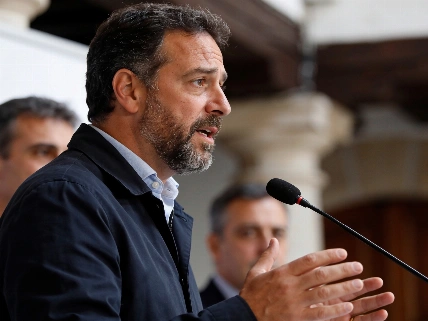
One unresolved question in Alberto Núñez Feijóo’s position is what should happen if parents refuse consent to an abortion sought by a 16- or 17-year-old. On 23 October 2026, the Partido Popular leader said in Madrid that a future PP government would reopen the debate. The proposal would require parliamentary debate and legislation; his remarks did not set out a draft law or a procedure for cases in which parents object.
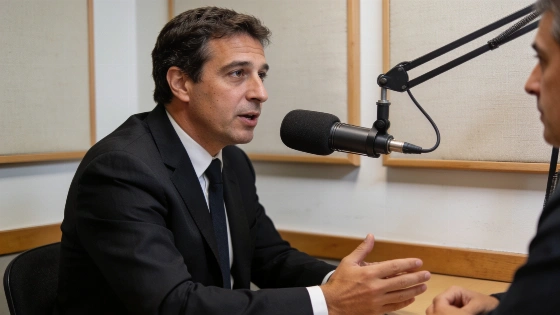
Speaking to Aimar Bretos on Friday’s Hoy por Hoy on Cadena SER, the PP leader said minors should discuss such a decision with their parents. He described abortion as a “vital, transcendent and irreversible” decision and compared it with getting a tattoo or driving. He also said, as reported by La Vanguardia, that parents should know when a 16-year-old daughter is going to have an abortion. Bretos reminded him that the last PP government changed the abortion law to require parental permission for girls aged 16 and 17.
Feijóo has not set out what would happen if parents withheld consent. His comments have been reported both as a call for parents to be informed and as a proposal to revisit parental authorisation, which are distinct approaches. EFE reported that he would reopen the question of parental authorisation for minors under 16. Feijóo said women should be able to have abortions under Spanish law in both public and private healthcare, with access to what he described as the best medical care. The statements did not immediately change Spain’s abortion framework.
Health Minister Mónica García criticised the proposal on 23 October before a meeting of the Interterritorial Council of the National Health System, responding with “Bienvenidos a 1989”. The exchange turned the issue into a public dispute between the PP and government figures; no immediate administrative change to abortion access followed.
Feijóo also described himself as a feminist, citing his upbringing among more women than men. Bretos challenged that reasoning by pointing out that men who are sexist can also grow up among women. Feijóo said he supports equal rights for women and men and acknowledged that the pay gap remains unresolved, but offered no measure to address it. President Pedro Sánchez criticised Feijóo’s reasoning, saying that growing up among women does not make someone a feminist, and linked the debate to the PP’s plan to remove the standalone Equality Ministry.
On government structure, Feijóo said he would abolish the Ministry of Equality if the PP won the general election scheduled for 29 November 2026. He wants its responsibilities transferred to another ministry and said he would not retain 22 departments. The proposal concerns the organisation of government; he has not identified which department would take on each responsibility. He said the minister responsible for equality should take on additional duties and criticised a role he portrayed as ending at 3pm before a train journey to Valladolid.
Feijóo also pledged to reform Spain’s euthanasia law, without outlining which provisions he would change. His campaign pledges have also included a nationality-law promise, covered in an earlier report about PP talks with Vox over joint Senate election lists.