Laws 1478 news

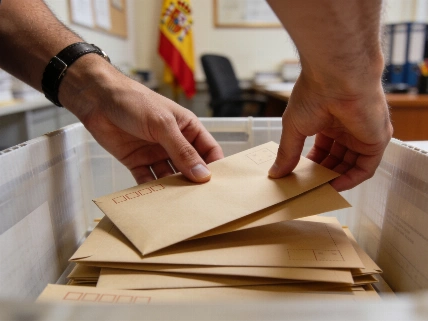
Spain restores MiDNI for voter identification

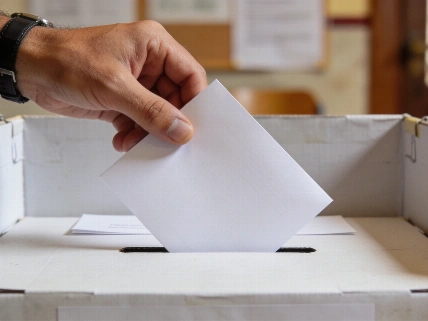
The Junta Electoral Central has lifted its suspension of MiDNI for identification at polling stations. The decision followed confirmation from the Interior Ministry that electoral boards would have QR-verification devices.

Parlon raised a ban on standing passengers after Montseny crash

After a Sagalés coach crashed in Fogars de Montclús with at least 83 people aboard, Catalan interior minister Núria Parlon raised the possibility of changing rules on standing passengers. Bus operators say fewer permitted places could mean more frequent services.

Spain Sets New Rules for University Students

A new national statute gives students across Spain’s public and private universities the same protections. It is already in force, with deadlines for universities to establish support services and update their rules.

Spain opens case over holiday rentals in Israeli settlements

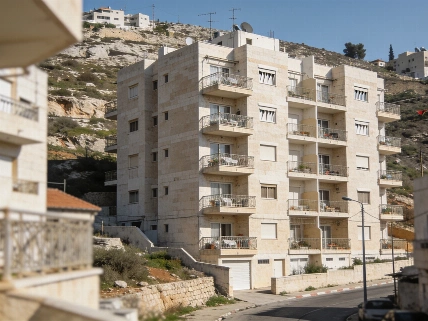
Spain’s Consumer Ministry has opened proceedings against an unnamed tourism platform over accommodation listings in Israeli settlements in occupied Palestinian territory. The ministry says up to three removal notices went unanswered; penalties could reach €100,000 or four to six times the illicit gain.

Court lawyers call vote-rights appeal premature

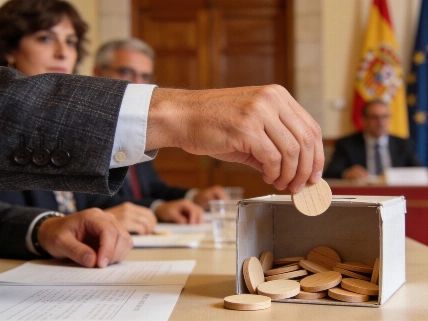
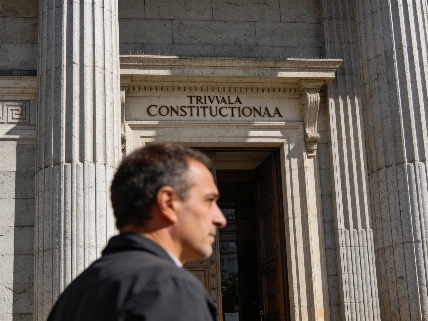
The Constitutional Court’s lawyers say the Ombudsman’s appeal over voting rights for people naturalised under the law of grandchildren is premature while the Supreme Court still accepts submissions. The case affects 163,020 people before the 29 November election.

Spain forces local authorities to cover tenant debts to halt evictions

Spain’s government has enacted a sweeping housing decree requiring public administrations to assume the debts of vulnerable tenants and blocking evictions unless alternative housing is provided. The law extends rental protections and limits speculative buying; rental-market transparency rules will tighten as well.

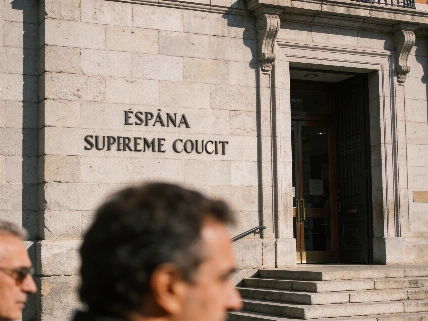
Constitutional Court orders Supreme Court to apply amnesty

Spain's Constitutional Court has told the Tribunal Supremo to apply the amnesty law in the first case it reviewed. Arrest warrants for three Catalan leaders have been suspended provisionally while the Supreme Court studies the ruling.