Alcohol was present in 24% of fatal crashes in Spain in 2025, according to figures attributed to the Dirección General de Tráfico (DGT). It caused 244 deaths, making it the second-largest cause of fatal crashes after distraction. The figures also record more than 3,400 crashes with victims and 2,259 positive tests in the latest alcohol-and-drug control campaign. The DGT’s historical road-safety figures recorded 1,200 deaths in 1,067 fatal crashes on interurban roads in 2017, with 4,837 people hospitalized.
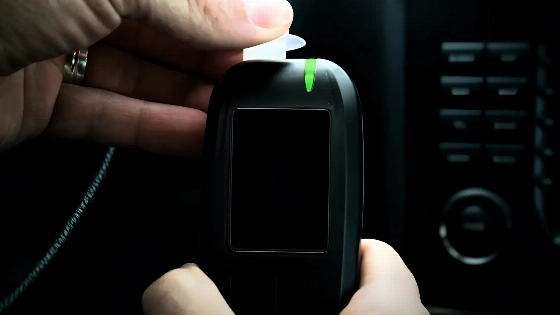
Yet the EU requirement for new cars concerns preparation for an alcohol interlock, not a fitted breathalyser. Regulation 2019/2144 required the installation interface and technical documentation for new vehicle types from July 2022, then for all new cars sold in the EU from July 2024. It enables an approved interlock to be installed through the vehicle’s standardized interface; it does not require every new car to contain a functioning breathalyser or automatically prevent the engine from starting. A previous explanation covered that distinction: the interface makes installation possible, but it does not block the engine by itself.
Spain requires an operational alcolock in certain microbuses (M2) and buses (M3) driven by professionals. These EU vehicle categories are defined by passenger capacity and mass. An active device checks the driver before departure and can prevent the vehicle from starting if the breath-alcohol reading exceeds its configured threshold. Private motorists have no equivalent obligation. A new car may therefore leave the dealership with the necessary connection and documentation but without a device capable of checking the driver.
For buyers, the distinction is practical. The hardware preparation does not prevent a driver from starting the car after drinking, and vehicles registered before July 2024 are outside the new-car requirement. There is no obligation to retrofit older cars.
Italy has taken a narrower legal route, requiring installation in cars belonging to drivers convicted of alcohol-related driving offences. The European Commission’s road-safety data cited in the source says interlocks could reduce alcohol-related fatal crashes by up to 65%; that is a potential reduction, not a measured result for Spain.
Making the device compulsory would also raise a practical question about failures. In March 2026, thousands of drivers in the United States were reportedly unable to use their cars after a cyberattack affected equipment-maker servers. Any wider Spanish requirement would need to address what happens when that system is unavailable. A change would require an amendment to Spain’s Traffic Law, and no such step is on the calendar.