Spain’s Council of Ministers approved Royal Decree-Law 42/2026 on 24 November 2026. Published in the Official State Gazette on 25 November, the decree took effect on 26 November and reforms employment rights for private-sector workers and public employees.
For the death of a spouse or registered partner, or of a parent or child, the decree raises paid bereavement leave from the previous two working days to 10. The leave may be taken within four weeks of the death. For first-degree relatives by marriage and second-degree relatives by blood or marriage, including siblings and grandparents, as well as grandchildren and in-laws, the entitlement is three working days, with two additional days available when travel is necessary. The previous framework generally allowed up to four days when travel was required.
The decree-law must be ratified or repealed by Congress within the constitutional 30-day period. It took effect on 26 November, but its continuation depends on Parliament’s decision.
Other measures cover care at the end of life. Workers may request reductions or changes to their working hours and schedules to care for a spouse, registered partner or relative up to the second degree who requires palliative care. Someone accompanying another person during an euthanasia process may take one day of leave.
The package also extends leave after a birth, adoption or foster placement to 20 weeks for each parent. The leave is non-transferable. For single-parent families, the allowance rises from 32 to 34 weeks.
Separately, RUSSPAIN has covered the El Hierro emergency response.
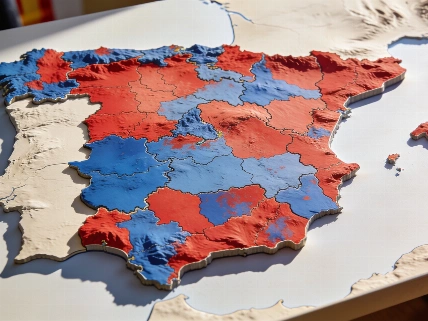
The People’s Party (PP) has opposed the expanded permits, calling them ineffective and threatening to repeal them.