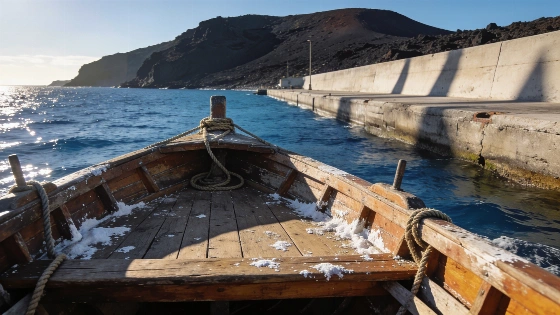
RTVE Noticias reported that arrivals to El Hierro during November had reached about 11,000, compared with the island’s stated population of 12,000. The figure came as five cayucos carrying around 900 people reached the island during the morning operation. A 24 November report by The Local Spain put November arrivals across the wider archipelago at 12,960 people aboard 130 wooden boats, 109 of which had landed on El Hierro.
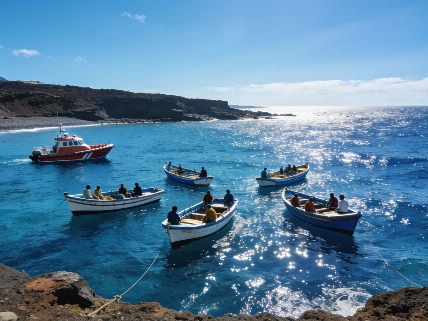
The first disembarkation ended at La Restinga at 03:15. The cayuco carried 190 people of sub-Saharan origin, including 162 men and 20 women. Eight were minors. The Centro de Coordinación de Salvamento de Tenerife sent Salvamar Acrux to the boat, detected about 10 nautical miles east-south-east of the port, and escorted it ashore.
At 03:42, Salvamar Navia completed the disembarkation of another 217 people, including 13 women and 18 minors. Guardamar Caliope had carried out the rescue. Later, Salvamar Dipha escorted a third cayuco to La Restinga; 216 people disembarked at 04:34. There were 183 men and 21 women, and 12 were minors.
Salvamar Navia also accompanied a fourth boat, spotted 12.3 nautical miles away, to the same port. Its 171 passengers included 23 women and 18 minors. Disembarkation ended at 06:30.
At about 08:50, a fifth cayuco reached port under its own power with around 100 people aboard. Salvamar Navia and the Guardia Civil patrol boat Río Guadiato escorted it in. On 25 November, the Associated Press reported that Spanish maritime-rescue authorities had counted 1,990 people aboard 15 boats arriving in the archipelago the previous day. More than 26,000 people had reached the Canary Islands during 2026, with roughly half arriving in November.
The report also described a separate day when 15 cayucos brought more than 2,000 people to El Hierro, as detailed in an earlier report. For the November arrivals covered here, RTVE Noticias named Senegal and Gambia among the main countries of origin; Guinea Conakry was also identified.
El Hierro’s authorities declared a social emergency on 6 November, after more than 2,000 people were estimated to remain on the island. Spain’s central government declared a migration emergency in the Canary Islands on 10 November and committed €15.18 million for additional places in state-run reception centres and transfers between the islands and mainland Spain, InfoMigrants reported. The measures addressed pressure on accommodation, health, security and transport services.