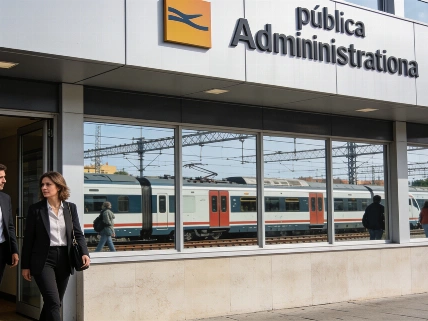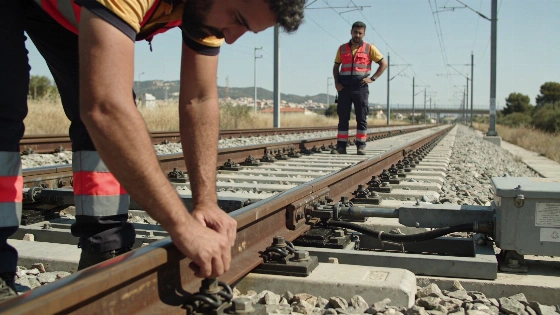
ADIF staff monitoring the Madrid-Seville line have gone from tracking about 15 trains at once to peaks of 40 in six years, according to Emilio Delgado. The Frente Amplio candidate says that increase puts more pressure on a railway system already hit by prolonged underinvestment. ADIF’s Madrid high-speed control centre uses the Da Vinci traffic-management system, has around 100 employees and operates 18 duty positions. It manages the Madrid-South and Northwest corridors and backs up control centres in Albacete and Antequera.
Speaking in Barcelona alongside Júlia Miralles and Andrés García Berrio, candidates for Comuns-Front Ampli in Catalonia, Delgado called for political accountability after two fatal rail accidents in a short period. The latest occurred on 28 October near Urda, in Toledo province, on the Madrid-Seville corridor, when two high-speed trains collided. Subsequent reports put the death toll at at least 69, with more than 100 injured. He called for a thorough review of the system and rejected placing the burden of responsibility on railway workers.
Preliminary accounts said a computer or communications malfunction at about 08:30 disrupted the LZB train-protection system across roughly 63 kilometres. LZB transmits information between the infrastructure and trains to regulate speed and maintain safe separation. The failure automatically stopped trains in the affected area. ADIF then handled traffic manually from its Madrid control centre. Reports said a Renfe train was later authorised to proceed towards Seville despite a red signal, without speed restrictions. The technical and judicial investigations are examining the decisions made after the system failure; no final cause has been established.
Delgado linked the pressure on operations to what he described as prolonged disinvestment under the PP and poorly managed liberalisation of rail services. He argued that both staff and infrastructure had come under added strain. The figures he cited concern simultaneous train monitoring on the Madrid-Seville line. A 2026 assessment reported that real railway-infrastructure investment had fallen 66.7% from its 2009 peak, to €4.589 billion in 2025, and put the cumulative shortfall needed to offset depreciation between 2013 and 2024 at about €17 billion. A separate analysis reported ADIF maintenance spending rising from €720 million to €1.12 billion over eight years, while high-speed maintenance spending per passenger fell 37.5% between 2022 and 2025.
The coalition has raised the possible resignation of Transport Minister Óscar Puente while calling for a wider debate on the public rail network. Puente said the government would conduct a full investigation. Spain’s railway accident-investigation body, CIAF, is examining the Urda crash, alongside a judicial inquiry led by a judge in Orgaz. The court assigned four additional judges to support the case. High-speed services between Madrid and Andalusia were suspended until further notice after the collision. Calls for an independent review have also featured in coverage of Feijóo’s position.
Delgado also dismissed the opposition’s criticism, saying parties associated with the dana and care homes for older people were not in a position to lecture on management. He said political responsibility should be addressed before a wider debate on the national rail network.
The intervention puts transport and public-sector staffing at the centre of Frente Amplio’s pre-campaign after earlier proposals on housing and pensions. The coalition shares Senate lists with the PSOE under the name Senado de Progreso.