Inflation in Extremadura has jumped to 4.2 percent over the past year. The main driver is a dramatic rise in petrol and diesel prices. Authorities and unions now face mounting pressure over wages and living costs.
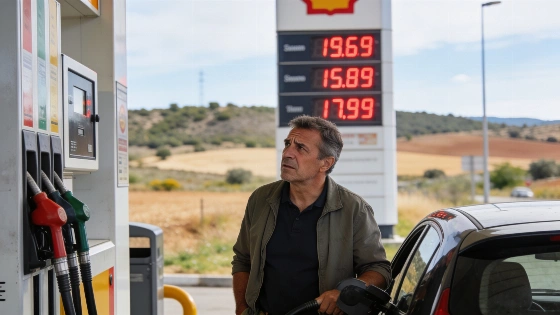
Inflation in Extremadura has reached its highest level in years, with prices up 4.2 percent over the past twelve months. The main reason is clear: petrol and diesel prices have jumped by 22 and 27 percent, putting extra pressure on household budgets and raising costs across the region.
Transport is now the most expensive category, with prices up 11 percent from last year. This is closely tied to global oil supply problems, as tensions near the Strait of Hormuz and disruptions in crude shipments push up costs locally. The effect is obvious at the pump, but it also shows up in higher housing, utility, and restaurant bills as energy prices ripple through the economy.
According to the EU Oil Bulletin, Spain had the second lowest diesel prices in the EU in early September, despite the sharp domestic increase.
Data from the Instituto Nacional de Estadística shows Extremadura’s inflation rate is now almost the same as the national average of 4.3 percent. Prices in the region rose 1.2 points more than in July, marking two months in a row of faster increases. Month to month, inflation went up 0.8 percent, and since January, prices have climbed 3 percent.
Other regions are also seeing higher prices, but Extremadura stands out for how quickly costs are rising. Only Cantabria, Galicia, and Castilla y León report higher annual inflation. The Canary Islands and La Rioja have the lowest rates. While transport costs are rising fastest in Extremadura, housing, water, electricity, and gas are also up sharply over the past year.
Nationally, Spain’s inflation is at its highest since early 2023, mainly because of rising fuel prices. The European Commission reports that petrol now costs 1.815 euros per litre, up from 1.482 euros a year ago. Diesel has increased from 1.410 to 1.795 euros per litre in the same period. Over five years, diesel prices have risen by more than 41 percent, and petrol by 27 percent.
Official INE data confirm that the general price index in Spain rose by 0.7% in August compared to July, while core inflation slowed to 2.9%. This distinction is important, as it highlights that the fuel-driven surge is not fully reflected in underlying price trends, which remain more moderate.
Instituto Nacional de Estadística
Government officials point to the ongoing energy shock from the conflict in Iran as a major factor. The Ministry of Economy, Comercio y Empresa links the latest inflation jump to fuel price hikes, noting that last August’s lower prices make this year’s increase look even steeper. The ministry also notes that food and non-alcoholic drink inflation is relatively contained at 2.3 percent, but this is still the highest since April, with eggs, beef, and fish seeing the biggest increases.
To help offset the impact, the government has extended its response plan: diesel now gets a 20-cent per litre tax cut, and petrol a 5-cent reduction. Still, these measures are being outpaced by the speed of fuel price increases, and the ministry admits that inflation in Spain, though slightly below the eurozone average, remains stubbornly high.
Unions are not satisfied with official statements. UGT Extremadura says wage growth in the region—just over 3 percent—lags well behind inflation, cutting into workers’ purchasing power. The union is calling for immediate action: a new collective bargaining agreement, salary increases of at least 4 percent, and stronger wage protection clauses. UGT also wants the minimum wage reviewed every six months if inflation forecasts are missed, arguing that current relief is not enough given the volatility of global energy markets.
With transport costs rising faster than any other category, UGT points to the end of earlier tax breaks as another reason for higher expenses. The union argues that only stronger wage policies and targeted support for low-income workers can prevent further loss of purchasing power and growing inequality.
Spain’s inflation is now closely tied to global energy markets. As long as international tensions keep oil prices high, regions like Extremadura will continue to feel the strain. The government’s limited options and union demands for higher wages set up a tense autumn. Unless energy prices stabilize, the cost-of-living crisis in Extremadura and elsewhere is likely to get worse, and the gap between wages and prices will keep growing.