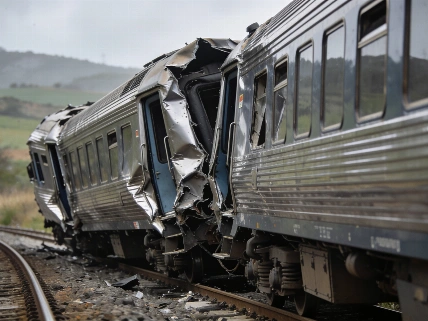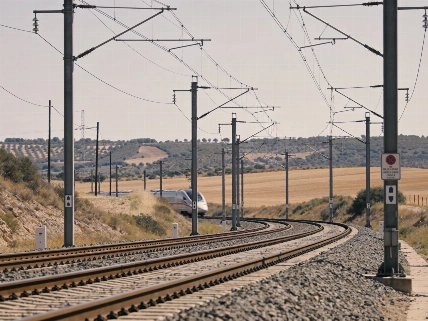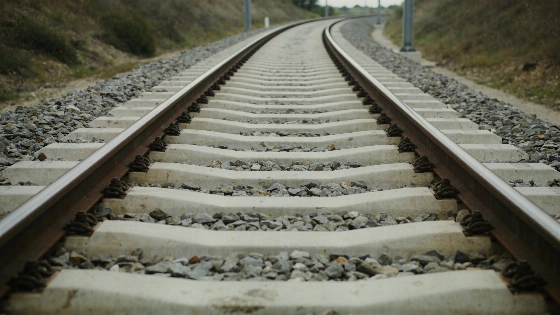
At least 69 people died when a Renfe AVE travelling from Madrid to Seville struck the rear of a stationary Iryo train near Urda, Toledo, at about 08:54 on 28 October. The collision took place near kilometre marker 118 on the Madrid-to-Seville high-speed line, roughly 130 to 150 kilometres south of Madrid. The Renfe service carried 378 passengers and the Iryo train 147, according to a contemporaneous regional account. The crash renewed scrutiny of the high-speed line to Andalusia, where at least 115 people had died in rail disasters over the preceding ten months, according to the account.
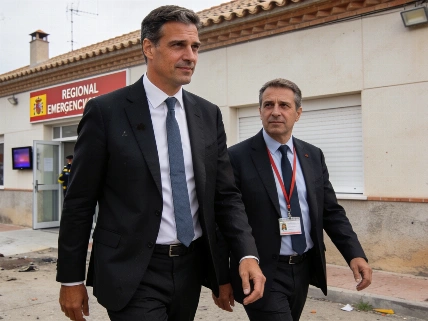
In the immediate political response, Moncloa and Óscar Puente’s team said he would remain transport minister and defend his handling of the crisis. Pedro Sánchez’s Government closed ranks behind him as calls grew for political responsibility. Puente described the apparent decision to authorise the Renfe train to move as “inexplicable”.
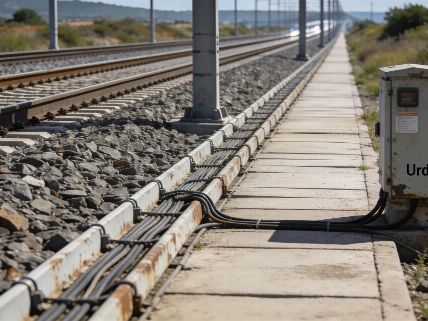
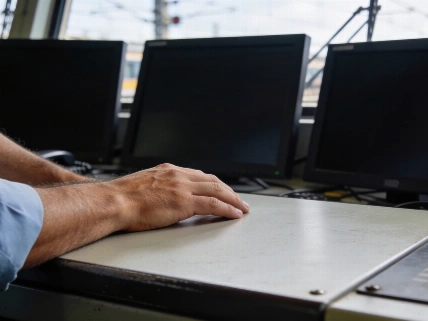
The explanation advanced by Sánchez and Puente focused on a possible human error by an operator at the railway control centre. The preliminary account also described a traffic-management or signalling disruption that stopped six trains across an approximately 69-kilometre stretch of line before the Renfe train was authorised to resume while the Iryo train remained stopped ahead. Reports identified the affected safety system as LZB and said a 40-kilometre-per-hour restriction may have applied after the failure. These details formed part of the account under examination, not a final finding: the Comisión de Investigación de Accidentes Ferroviarios opened an investigation into the crash. Left-wing partners challenged the emphasis on one worker and argued that wider safety and maintenance issues also needed examination.
Pressure within the governing bloc intensified. Frente Amplio first called for responsibilities to be assumed; ERC and the PNV later used similar language. Neither formulation amounted to an explicit demand for Puente’s resignation. Podemos criticised the focus on the operator, while Irene Montero pointed to a heavily used network and insufficient outsourced maintenance. Ada Colau also rejected placing the blame on one worker. Colau, ERC and Podemos linked their criticism to the liberalisation of passenger rail services and the arrival of private operators, a process begun under Puente’s predecessors, José Luis Ábalos and Raquel Sánchez. The collision involved a state-operated Renfe service and privately operated Iryo train.
The PP’s response hardened into a direct demand for Puente to resign. Its spokesperson Ester Muñoz said he should leave office. Alberto Núñez Feijóo argued that political responsibility did not depend on the outcome of the investigations and called for parallel judicial and government inquiries. The party also sought a hearing for Sánchez before the Congress’s Permanent Deputation, describing Puente’s planned appearance as insufficient.
Vox registered a querella against Puente and continued its campaign during the period described. The party also used the disaster in its political messaging. By 30 October, forensic teams had received 69 bodies and completed 48 autopsies; authorities had received 70 missing-person reports and identified 13 victims, La Voz de Galicia reported.