Madrid confirms support for a €200 million Chinese electric car plant in Ferrol. Defence and intelligence agencies warn of security risks near naval facilities. Regional and national leaders clash over the project's future.
The Spanish government has reaffirmed its commitment to the planned SAIC Motor electric vehicle factory in Ferrol, even as Defence and intelligence agencies raise concerns about potential security risks. The project, valued at €200 million and expected to create around 1,000 jobs, is seen as a crucial opportunity for a region long affected by industrial decline. However, its proximity to key naval installations has triggered warnings from the Ministry of Defence and the CNI, Spain’s intelligence service, about possible espionage threats linked to China.
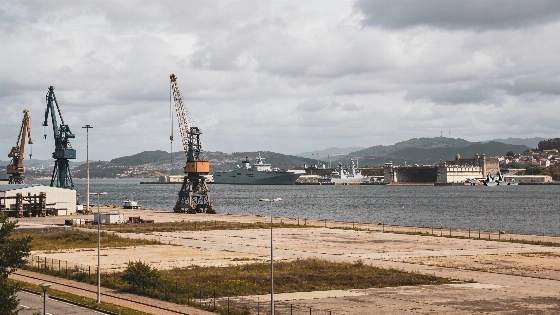
The proposed factory would be located in Ferrol’s outer port, just five kilometres from the main naval base in northern Spain, home to Álvaro de Bazán-class frigates and Navantia’s military shipyard. This strategic location has led to unease within the military, who question why Ferrol was chosen over other sites. Despite these objections, the final decision rests with the Council of Ministers, and the Xunta de Galicia, led by Alfonso Rueda of the Partido Popular, continues to champion the investment as vital for the local economy.
Government officials have downplayed the Defence Ministry’s concerns, describing them as one of several routine reports required for projects of this scale. The Minister for Digital Transformation, Óscar López, stated that all aspects—including economic viability, job creation, industrial impact, and national security—are being thoroughly assessed. He stressed that the government believes the Chinese investment can be compatible with both industrial development and security requirements.
Political reactions have been swift. Alfonso Rueda expressed frustration over the timing and content of the Defence warnings, arguing that both regional and national authorities have worked together on the project for months without previous mention of security risks. He called for a solution that balances national security with the economic needs of Ferrol, a city still struggling to recover from the naval industry’s decline in the 1980s.
Ferrol’s mayor, José Manuel Rey Varela, also from the Partido Popular and chair of the Senate Defence Committee, suggested that business interests may be influencing the security debate. Meanwhile, Sumar, the government’s junior coalition partner, attributed the warnings to NATO pressure amid global competition between the US and China. Sumar’s Enrique Santiago dismissed the espionage risk, pointing out China’s existing technological capabilities, and highlighted union support for the project, which promises quality jobs and advances in digitalisation and energy transition.
The factory, which would assemble vehicles under the MG brand using parts shipped from China, is part of SAIC Motor’s strategy to enter the European market. In July, the company tested logistics by unloading 700 vehicles at Ferrol’s port. The project also includes plans for a logistics centre in As Pontes, further boosting the local industrial base.
Both Prime Minister Pedro Sánchez and Vice President Yolanda Díaz have actively supported the initiative, engaging with Chinese authorities and company executives to secure the investment. The government’s stance reflects a broader effort to attract foreign industry and position Spain as a leading European producer of electric vehicles.
Ferrol’s economic challenges are well documented. Once a major shipbuilding hub, the city has faced decades of job losses and stagnation, earning it the nickname “the Spanish Detroit.” The arrival of a major automotive plant is seen by many as a potential turning point, though the ongoing debate over security and international influence underscores the complexity of balancing economic revival with national interests.
Spain’s approach to foreign investment in sensitive sectors is shaped by both EU regulations and NATO commitments. While security assessments are standard for projects near critical infrastructure, the final decision often weighs economic benefits against potential risks. The Ferrol case highlights the growing intersection of industrial policy, geopolitics, and regional development in Spain’s economic strategy.