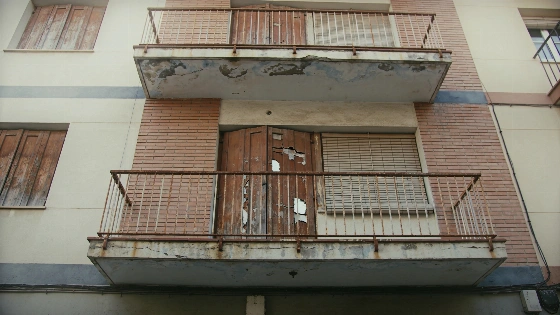
The eviction of 87-year-old Maricarmen Abascal has forced Spain’s government into emergency talks with Junts. With protests looming, leaders are now weighing a freeze on evictions by investment funds and new tax breaks for renters and homeowners.
Photos of 87-year-old Maricarmen Abascal being carried out of her home on a stretcher, after more than seventy years living there, have set off a political storm the Spanish government can’t ignore. Her eviction has brought Spain’s housing crisis back into the spotlight and pushed Pedro Sánchez’s government into urgent talks with Junts to stop the situation from boiling over.
What started as one harsh eviction has turned into a national flashpoint. The government is now under pressure from opposition parties, its own left-wing allies, and civil groups. People are demanding quick action to stop more scenes like this—memories of the financial crisis are still fresh. Activists and politicians warn that another 15-M style protest could be around the corner if nothing changes.
The dispute over Maricarmen's apartment had dragged on for at least eight years, with this being the fourth attempt at eviction, according to Reuters and DW.
Talks between PSOE and Junts have moved past vague promises. Junts sources told EL MUNDO that the government is looking at a set of measures: stopping evictions in homes owned by so-called ‘vulture funds’, giving tax breaks to renters and people with mortgages, and helping young people save for a home. They are also talking about banning investment funds from buying more homes, and letting seniors in care homes sell their old houses without paying capital gains tax. Families could get help if their bank sells their mortgage for less than what they owe.
Behind closed doors, the pressure is intense. The government is trying to break a legislative deadlock after a previous housing decree was blocked by PP, Vox, and Junts. Now, with the political cost of doing nothing rising fast, officials at Moncloa admit the Maricarmen case has changed the game. “It is evident that society requires answers,” one government source said. The crisis is forcing all parties to find common ground.
For many in Spain, the housing market feels like a trap. Millions can’t afford to buy, and rents keep eating up more of people’s paychecks. After eight years of Sánchez in power, prices are still out of control. The government is taking heat from both friends and foes. The left-wing Sumar coalition and leaders like Ada Colau have threatened to pull their support if PSOE doesn’t deliver real reforms. Colau said Sumar must not be “complicit” in what she calls the “cowardice of the PSOE.”
According to Reuters and South China Morning Post, the apartment from which Maricarmen was evicted had been acquired by an investment fund that sought to raise the rent by 275%. This case has become emblematic of the broader trend in Spain, where rising rents and the growing role of investment funds have fueled a nationwide housing crisis and sparked protests not only in Madrid but also in other cities.
As reported in a recent update, Maricarmen’s eviction is not a one-off. More than 4,000 evictions have already happened in the first quarter of this year. Each one adds to the sense of insecurity and anger. The government’s challenge is bigger than one case—it has to fix a system that has made housing Spain’s top social problem.
A new housing decree has been in the works since July. The next few days will show if Spain’s politicians can break the deadlock and bring real relief before anger spills into the streets. The government’s talks with Junts and its willingness to consider big changes show it knows the old way isn’t working. If these talks lead to real action, it will be a rare sign of the system responding. If not, Maricarmen’s eviction could be just the start of a much bigger crisis for Spain’s leaders.