Two more earthquakes shook Granada’s metropolitan area overnight. No new damage was reported, but the region is still counting losses from August’s major quakes. Schools and historic sites remain under review.
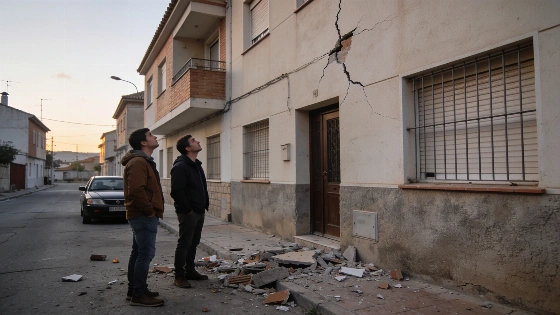
Granada’s southern suburbs shook again overnight, with two small earthquakes in La Zubia and Churriana de la Vega before dawn. Residents felt the tremors, but emergency services said there were no new injuries or property damage. The ongoing sequence of quakes, which started in mid-August, has left local authorities and families still dealing with the aftermath of earlier, more damaging shocks.
The first quake struck Churriana de la Vega at 4:59 a.m., measuring 1.5 in magnitude at a depth of three kilometers. Less than two hours later, at 6:50 a.m., La Zubia recorded a 1.4-magnitude tremor, this time nine kilometers underground. Both were strong enough to be noticed by people in the area, according to the Instituto Geográfico Nacional, but did not cause visible harm. These latest tremors followed a day with seven other minor quakes, including a 2.0-magnitude event in Alhendín at 7:23 a.m.
"By August 29, the Instituto Geográfico Nacional had recorded 1,279 tremors in the Granada area over just two weeks since the initial 5.0-magnitude quake near Alhendín."
— Instituto Geográfico Nacional
While the most recent quakes have not caused new destruction, the effects of August’s seismic surge are still visible. On August 15, a 4.8-magnitude earthquake shook hundreds of towns across Andalucía and beyond, causing alarm and property damage. Three days later, four more significant quakes—ranging from 3.9 to 4.8—forced the evacuation of 600 people, left three injured, and caused damage now estimated at €105 million, according to the Consorcio de Compensación de Seguros.
The hardest-hit municipalities include Granada, Armilla, Ogíjares, Churriana de la Vega, Las Gabias, La Zubia, Maracena, Vegas del Genil, Alhendín, Gójar, and Cájar. By August 31, the number of compensation claims reflected the scale of the crisis. Local officials are now inspecting schools before the new academic year, and the Alhambra’s Homenaje and Quebrada towers have both suffered damage to their battlements. The University of Granada has already reported €3.5 million in building repairs.
As the region tries to return to normal, attention has shifted from emergency response to long-term recovery and prevention. Ongoing inspections of schools and heritage sites show the practical challenges facing Granada’s communities. For comparison, the impact of natural disasters on public infrastructure is not new in Spain, as seen in the recent collapse in Alzira. In Granada, the relentless sequence of tremors and the rising cost of repairs define the current situation.
"By early September, more than 41,000 compensation claims had been submitted, with the preliminary damage estimate exceeding €105 million. According to official reports, full assessments and payouts are expected to take up to three months, and the final sum may rise as new claims are processed."
— Consorcio de Compensación de Seguros
This summer’s events in Granada show how even well-prepared regions can be caught off guard by a sudden increase in seismic activity. The rapid series of quakes, large evacuations, and financial strain on both public and private property have put local systems under pressure. While the latest tremors caused no injuries, the ongoing aftershocks and slow pace of repairs are a reminder that seismic risk in the region remains real. The next steps—strengthening infrastructure and restoring public confidence—will shape how Granada recovers from this crisis.