A magnitude 4.6 earthquake was recorded in Granada province at 10:37 a.m. on Tuesday, 18 August 2026, with its epicenter in Alhendín at a depth of approximately five kilometers, information from the Instituto Geográfico Nacional (IGN), Spain’s national seismic-monitoring authority. The tremor reached intensity V in Armilla and Churriana de la Vega; Gójar also recorded V, as did La Zubia and Maracena. Granada city and Cájar experienced intensity IV to V.
The event followed a stronger earthquake in the same area on 15 August at 1:04 a.m. That shock was initially estimated at magnitude 5.0, then revised by the IGN to 4.8. It reached maximum intensity V to VI and was felt across parts of eastern and basic Andalusia, with reports as far away as the Community of Madrid. The IGN received more than 10,000 public questionnaires about the earlier earthquake.
The August shocks formed part of a sequence in the southern Granada metropolitan area. Figures attributed to the IGN put the sequence at 432 recorded movements. Nine were earthquakes of magnitude 3 or greater, and residents felt 45. The 18 August tremor was shallow and close to populated municipalities, factors that help explain why it was widely felt despite being weaker than the 15 August event.
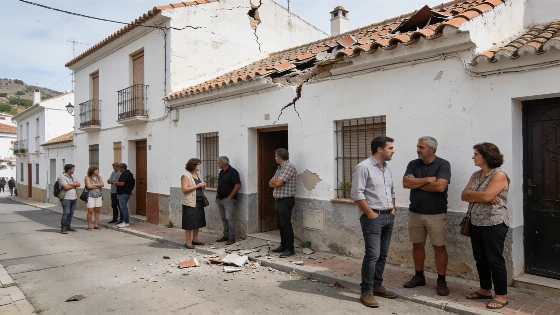
No casualties or building collapses were reported in accounts of the 18 August earthquake. Subsequent reporting, but, described damage to homes and infrastructure, including public buildings, across the wider metropolitan area, along with technical inspections and emergency measures. The sequence continued for months, and a later estimate attributed to the Consorcio de Compensación de Seguros put insured damage at more than €100 million.
Granada has a longer history of impressive seismic activity: historical records cited by the IGN include magnitude 5 earthquakes associated with Armilla in 1955 and Purchil in 1956. The 2026 sequence’s shallow epicenters near municipalities south of the capital renewed attention to preparedness and coordinated emergency response. The Junta de Andalucía later announced “Respuesta26,” a large-scale earthquake-response exercise involving 200 personnel.
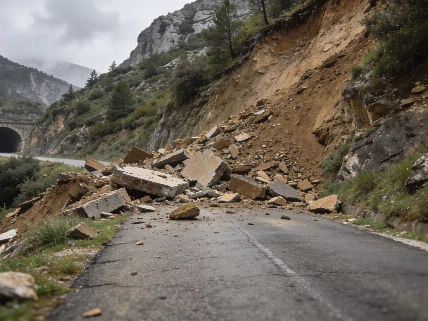
The IGN monitors seismic activity and publishes measurements and intensity assessments. The earlier earthquake’s revised magnitude and the large number of public questionnaires show how instrumental data and residents’ reports help establish how widely the shaking was felt. Other parts of Spain have also faced natural hazards, including the landslide in León that caused casualties, as described in this coverage of the Manzanedo de Valdueza incident.
The 18 August earthquake was reported without casualties or building collapses, while the broader seismic sequence had consequences beyond the initial shocks. Authorities’ later exercise and inspections highlighted the need for emergency coordination in a region with a documented record of damaging earthquakes.