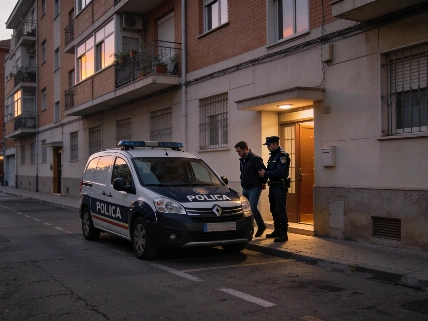
On 30 October 2026, the Guardia Civil arrested a man in Picanya, Valencia, whom investigators described as Blocus’s alleged founder and main promoter in Spain. They linked him to calls on social media that appeared to promote student protests but allegedly sought to organise shop looting and violent acts. Investigators said the suspect created and administered Telegram groups used to coordinate the actions. The Interior Ministry said the conduct under investigation could constitute aggravated public-disorder offences and criminal organisation. It also said a video circulated from the suspect’s profile showed a masked person claiming to lead Blocus. These are allegations under investigation, not judicial findings.
Ten other people were detained in connection with the organisation in Bilbao, Málaga and Tenerife. EFE reported that the Picanya arrest was one of five nationwide initially linked to alleged efforts to instigate disturbances and looting, including three detentions in Valencia province. A separate arrest in the Valencia area was covered in an earlier report.
The arrests came amid concern over a repeat of unrest reported in Barcelona. Those disturbances resulted in 130 arrests, most involving minors, and left 14 officers injured. Shops were looted, while vehicles and street furniture were damaged.
Merchants in central Madrid, Barcelona, Valencia, Seville and Bilbao boarded shopfronts with wooden panels amid calls circulating online for further disorder. The measures reflected fears of vandalism; they did not establish that the anticipated incidents would take place.
In Seville, the Confederación Provincial de Comercio, Servicios y Autónomos de Sevilla (Aprocom) said police had described online posts calling for disturbances on 30 October as a hoax. Security measures were nevertheless reinforced, and officers advised businesses to use their usual precautions.