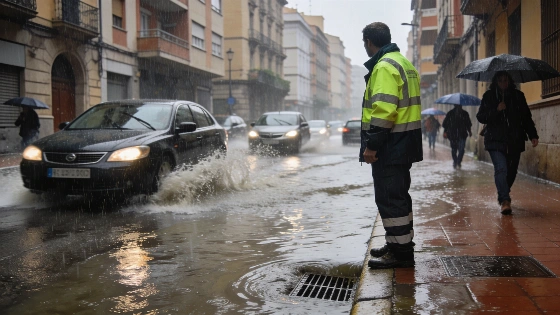
On 19 October 2026, the Servei Meteorològic de Catalunya (Meteocat) forecast intense rainfall across Catalunya, particularly along the coast and pre-coastal areas. Some locations could receive more than 40 litres per square metre in 30 minutes and 60 litres in three hours, with the maximum danger level at 4 out of 6. The warning period ran from Monday morning into Tuesday, and forecasts also raised the possibility of more than 100 litres per square metre in 24 hours across parts of the coast and pre-coast, as well as the Pyrenees and Pre-Pyrenees.
Protecció Civil kept the Pla INUNCAT in its alert phase, the regional structure for coordinating flood response and emergency services while issuing public warnings. Officials described the situation as an impressive risk, but not an extreme one, and did not initially impose broad restrictions. The most exposed areas stretched broadly between Tarragona and Girona. Authorities retained the option to escalate measures if rainfall or river conditions worsened.
The hazard depended not only on total rainfall but also on whether storms stalled over the same area. Intense, concentrated downpours can overwhelm drainage systems and cause sudden rises in small waterways and drainage channels. Protecció Civil warned that some waterways could rise significantly and suddenly. It said ES-Alert messages could be sent with as much advance warning as possible if local conditions became dangerous.
Protecció Civil urged residents to follow weather updates, avoid flood-prone low-lying areas, including riverbeds and ravines, and exercise particular caution during the heaviest rain. Its guidance also advises people not to park in dry channels or cross flooded roads or fords, even if the water appears shallow. Short, intense rainfall can make roads dangerous and cause rapid flooding, disrupting travel.
While the alert focused on flooding, recent events in Barcelona have shown how weather-related risks can intersect with public safety and local events. Preparations for the Gràcia festival were recently affected by security incidents and heat precautions, as detailed in this report on festival safety measures. Such cases highlight the need for coordinated emergency planning in urban areas.
Protecció Civil deactivated the INUNCAT alert on 20 October after conditions improved and Meteocat ended its rainfall warnings. Lifting the alert marked a de-escalation of the emergency response; it did not necessarily mean every local effect, such as accumulated water or transport disruption, ended immediately. The episode demonstrated how the plan coordinates public authorities and informs residents as flood risks develop.