Barcelona's Gràcia district faces both innovation and tension ahead of its annual festival. Organizers introduce family-friendly zones and heat precautions, while a sabotage incident disrupts preparations.
Preparations for the Festa Major de Gràcia in Barcelona have taken an unexpected turn after a sabotage incident targeted one of the festival's organizing groups. As the district readies for its traditional celebration from August 15 to 21, the commission responsible for the street La Perla reported that their premises were rendered inaccessible when the shutter was sealed with silicone, halting their work. The group, made up of local residents, described the act as a deliberate attack on their year-round volunteer efforts and rejected any suggestion that it was a response to noise or disturbances, emphasizing that the previous evening had passed without incident.
This year's festival, one of Barcelona's most established neighborhood events, will see 23 streets and squares decorated, with a renewed focus on families and young people. For the first time, Plaça Joanic will be transformed into a dedicated space for children, teenagers, and families. Daytime programming will include storytelling, workshops, traditional games, and a reading area, while evenings are set aside for family dinners and activities aimed at teenagers, such as open-air cinema and music contests. Organizers have also adjusted schedules to avoid the hottest hours, with most morning events ending before peak heat and afternoon activities starting later.
The need for these changes comes after Catalonia experienced record-breaking temperatures this summer, prompting the festival's planners to introduce new measures to protect attendees from extreme heat. This approach reflects a broader trend across Spain, where local authorities and event organizers are increasingly adapting to climate challenges. As noted in recent weather outlooks for August, the region continues to face persistent high temperatures, making such precautions essential for public events.
Despite the setback on La Perla, the festival will proceed with its planned program. Vicenç Sanclemente, a journalist and historian, has been chosen as this year's official speaker, while the event poster, designed by Pol Lupiáñez (Kota), pays tribute to the festival's community roots by highlighting traditional street dances. The La Perla commission, while expressing concern over the sabotage, has called for dialogue about the future of the festival rather than punitive measures or reduced hours, arguing that such restrictions could threaten the viability of the event. They acknowledge ongoing concerns about cleanliness, public drinking, noise, and other issues, but insist that solutions should come through discussion, not confrontation.
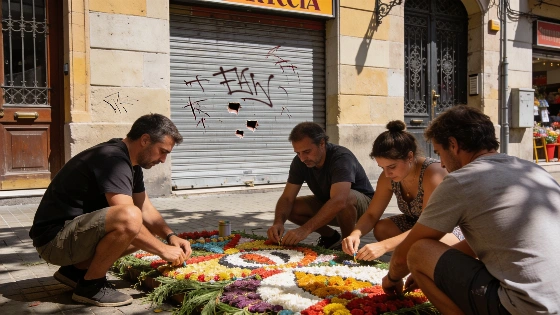
The Festa Major de Gràcia is recognized for its strong neighborhood identity and volunteer-driven organization. Each year, residents compete to create the most imaginative street decorations, drawing thousands of visitors. The event is a key moment in Barcelona's cultural calendar, balancing tradition with the need to address modern challenges such as urban coexistence and climate adaptation. The recent sabotage incident highlights underlying tensions about the festival's impact on daily life, but also underscores the commitment of local groups to preserve its spirit. As the city prepares for another edition, the focus remains on ensuring a safe, inclusive, and resilient celebration for all participants.