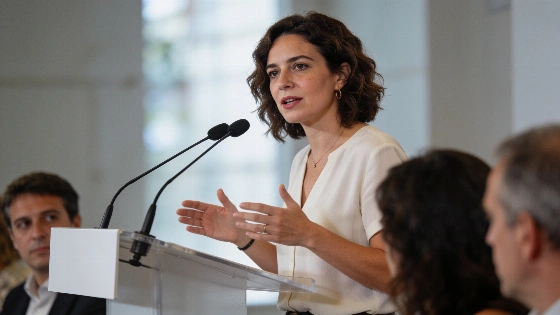
At her Vallecas launch, Ada Colau directed a pointed appeal at Pedro Sánchez, saying a progressive government required greater humility towards working people and more resolve towards property speculators. She also urged him to regulate housing rights and rents. The appeal came amid protests over housing costs and a nationwide housing-focused general strike on 11 November, the first such stoppage in 14 years.
Her intervention came hours before the official campaign was due to begin at 00:00 on Friday 13 November. The 15-day campaign is scheduled to end at midnight on 27 November, followed by a day of reflection on 28 November and voting on Sunday 29 November. Voters will elect all 350 members of Congress and renew the Senate. The four parties held opening events across the country on the eve of the formal campaign period.
Housing also featured in Sánchez’s speech in Seville. He defended the government’s measures, including Royal Decree-Law 29/2026, approved on 12 November by Congress’s 69-member Permanent Deputation after the 350-seat lower house was dissolved for the election. The decree concerns urgent protection of housing’s social function and the expansion of affordable housing supply. It gives eligible rental contracts a two-year extension. Rent increases are capped at 2%; landlords cannot raise rents that already exceed the government’s reference price for the area. Eviction protections for tenants deemed financially or socially vulnerable by social services were extended to the end of 2030 where regional authorities cannot provide alternative accommodation. The separate Royal Decree-Law 28/2026, which proposed automatic continuing renewals of habitual-residence leases, was rejected by one vote and ceased to apply. Sánchez recalled Maricarmen, whose threatened eviction had prompted protests around Spain. The issue had also featured in housing strike coverage. Sánchez thanked the trade unions and criticised remarks by Madrid regional president Isabel Díaz Ayuso after the 11 November demonstrations.
Begoña Gómez, Sánchez’s wife, addressed the rally and thanked people who had supported her during her legal case. The audience responded by chanting its support twice. Sánchez also presented the election as a contest over public spending and defence policy, arguing that the left should mobilise to secure another term.
In Badalona, PP leader Alberto Núñez Feijóo called for a change of government and argued that Catalonia should play a leading role in Spain’s reconstruction. He said Spain’s territorial integrity was non-negotiable and called for a government able to protect its borders. Feijóo also pledged an audit of public funds if he reached the Moncloa, referring to judicial cases involving people around the PSOE and Sánchez. After the housing vote, he said he would repeal the government’s housing decrees if he became prime minister; he has also pledged to build one million homes during the next legislature.
Feijóo said newcomers should integrate and respect the law and the rights of women and the LGBT community. He was joined by Badalona mayor Xavier García Albiol, who urged voters to back the PP candidate.
At the Palacio de Congresos in Huesca, Vox leader Santiago Abascal described the election as a choice requiring profound change and accused the government of being corrupt. He blamed immigration for pressure on Spain’s health service, which he described as overwhelmed. That claim formed part of Vox’s campaign argument.
Abascal’s party is seeking to repeat its results in the last four regional elections and to press the PP to adopt its national-priority platform. Colau, meanwhile, said she believed she could overcome the polls despite describing the campaign as difficult. Her Madrid slate includes Emilio Delgado and Tesh Sidi of Más Madrid, with IU figure Toni Valero also on the ticket. Movimiento Sumar leader Verónica Martínez Barbero is on the slate as well.