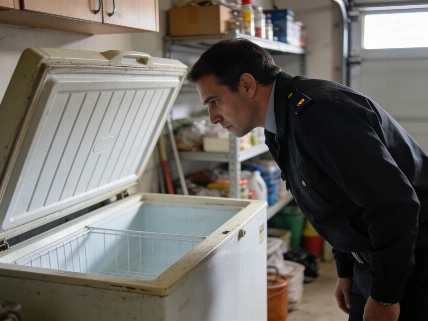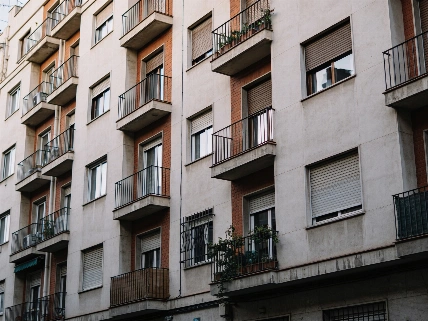
Maricarmen Abascal died 15 days after being evicted from the Madrid home where she had lived for approximately 70 years. The Tenants’ Union said a real-estate firm acquired the property and raised the rent by 275%, to €2,650. Her case helped make housing protests the catalyst for a nationwide stoppage scheduled for 11 November 2026, called by the Sindicato de Inquilinas (SDI) with backing from UGT and CC OO. The 24-hour strike is set to run from midnight to midnight. It is the first jointly supported general strike by Spain’s two largest unions in 14 years.
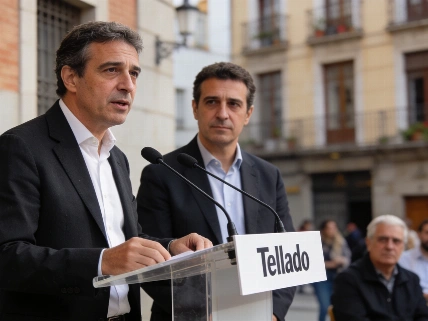
The call came from the tenants’ union. Valeria Racu says it lacks the legal capacity to call a general strike on its own, so UGT and CC OO supplied formal backing. The stoppage centres on access to housing, alongside demands concerning pensions, wages and public services. The wider platform calls for rent containment, expanded public and protected housing, stronger safeguards against eviction, wage increases of 4% to 7%, and a rise of at least 7% in the statutory minimum wage for 2027. Its slogan is “Salarios. Vivienda. Precio” (“Wages. Housing. Prices”).
The unions say the issue has outgrown the reach of conventional collective bargaining. CC OO leader Unai Sordo argues that housing costs consume wages and affect workers differently across regions and generations. UGT leader Pepe Álvarez says high rents can make it impossible for people to take jobs in places such as the Balearic Islands or Málaga. Housing costs have risen alongside these concerns: Spain’s National Statistics Institute recorded a 12.2% year-on-year increase in its Housing Price Index in the second quarter of 2026, while Idealista put average advertised rent at €15.1 per square metre in August, up 5.8% from a year earlier. INE data for 2024 showed that 28.1% of market-rate renters spent more than 40% of disposable income on housing, compared with an EU average of 19.2%.
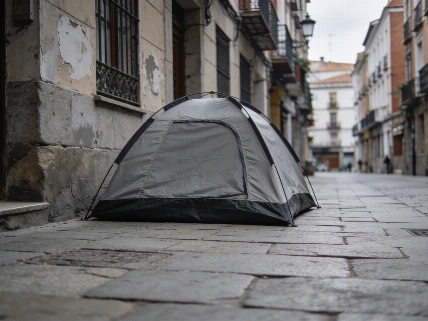
That argument expands the unions’ traditional remit. Sordo says they have previously widened their demands to include feminism and now see housing as a central socioeconomic concern. The tenant movement points to the demonstrations after Abascal’s eviction and the Sol encampment, which followed the legislative rejection of the so-called Maricarmen decrees. Protesters held a camp at Madrid’s Puerta del Sol for 38 days before it was dismantled in early November. The camp endorsed the 11 November strike as the next stage of the campaign. Sol camp representatives separately alleged that police cleared the site overnight without warning in their account of the eviction.
The two sides also differ over whom the strike targets. Racu says it is directed at rent-seeking interests and employers, as well as governments at every level, regardless of political colour. UGT and CC OO leaders say the central government also has responsibilities, while Sordo argues that housing policy failures extend across administrations. Organisers say more than 3,600 workplace groups had backed the stoppage by 4 November. The Confederation of Tenants’ Unions reported support from more than 20,000 organisations and over 1,340 strike committees in 108 cities.
Political scientist Lluís Orriols, author of Democracia de trincheras, questioned the government’s encouragement of a protest that also challenges its record. He warned that uncertainty over the target could weaken the message. The opposition leader, Alberto Núñez Feijóo, has called for the strike to be cancelled, arguing that a general stoppage should not be directed at a party outside government. Feijóo also said the action was inappropriate after the Toledo railway accident and warned that proceeding would tie the unions’ image to Prime Minister Pedro Sánchez. Sordo said the strike was not directed against the opposition, while Racu described it as a campaign “for life.”
Organisers face a practical test: weak turnout could be read as a sign of limited support. Sordo says the country has changed since the last general strike in 2012, with more people able to work remotely and fewer conventional measures of participation. He also recognises the risk of asking workers already struggling with housing costs to take part. Transport, schools and other public services are preparing for disruption, with trains, metro networks and potentially air travel among the affected sectors.
UGT and CC OO say their network of 225,000 workplace delegates is helping prepare for the stoppage. Álvarez says the unions want broad public participation to build pressure for a state housing pact. Their proposed roadmap includes rent controls, construction and renovation of homes for a public housing stock, and investment equivalent to 1% of GDP each year for 10 years.