Quino, a celebrated rescue labrador from Valencia, died after returning from Venezuela with unexplained bleeding. Despite intensive care and support from veterinary specialists worldwide, the cause remained unknown. His death has prompted questions and widespread expressions of solidarity.
The six-year-old labrador Quino, known for his work in disaster zones, died in Valencia after falling ill shortly after returning from a rescue mission in Venezuela. His rapid decline, despite weeks of intensive veterinary care and public support, has left Spain’s rescue community grieving and searching for answers.
The trouble began when Quino returned from earthquake-hit La Guaira with the Intervención, Ayuda y Emergencias (IAE) team. Within days, he developed persistent nosebleeds. Quino had shown no signs of illness during the mission or on the flight home, but about 48 hours after arriving in Spain, his health collapsed. Spanish media and IAE statements said his condition worsened rapidly from July 7 onward.
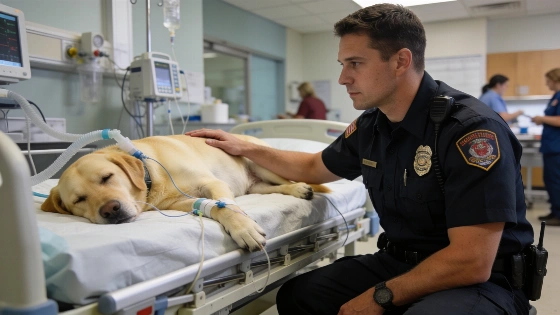
Quino was treated at multiple veterinary centers, including the University Catholic Clinic in Valencia, as his condition worsened after his return from Venezuela.
Veterinarians at the University Catholic Clinic and the CEU Veterinary Clinic ran extensive tests, from bloodwork and ultrasounds to CT scans. Specialists from around the world reviewed his case. Tests found no underlying disease, and neither infection nor toxin was identified. Transfusions and steroids provided only temporary relief. As Quino’s condition worsened, his handler, Pancho Gerber, sent medical files to clinics worldwide, but no one could identify the cause. The final tests showed irreversible kidney damage, and IAE announced that Quino "is now resting."
Offers of help came from the public and veterinary community, with donations going through IAE. Theories ranged from tropical parasites to rare toxins, but none matched the evidence. Two other dogs from the same mission, Otto and Ron, returned healthy. Only one similar case was reported: a firefighter’s dog from Badajoz died of internal bleeding after a deployment to Venezuela, but no autopsy was performed. Press reports said standard tests found no clear cause for Quino’s illness, with no infection or toxin detected, making the case unusual and unresolved.
As Quino’s kidneys and lungs failed, the team realized there was nothing more to try. After two months of effort, Pancho decided to let Quino go, ending the suffering of a dog who had become a symbol for many in Spain.
IAE publicly thanked handler Pancho and the veterinary teams for their dedication. The case also prompted a broad wave of support and fundraising for Quino’s treatment through the organization. The lack of a confirmed diagnosis has left the rescue community with unanswered questions and highlighted the risks faced by working dogs on international missions.
Quino’s story spread far beyond the rescue world, going viral and drawing widespread solidarity. The lack of answers has deepened the sense of loss. The cause of his illness remains unknown, but the case has drawn attention to the risks rescue animals face on international missions and the limits of veterinary knowledge when it comes to rare or emerging threats. The tragedy also echoes problems seen in other disaster responses, such as the earlier breakdown of leadership and preparedness during the Moroccan earthquake.
Spain’s rescue teams now face a hard lesson: even the best-trained and most celebrated animals are vulnerable to unknown dangers in the field. The support for Quino reflects the deep respect for these working dogs and points to the need for better protocols and research into the health risks they face abroad. Until more is known, the case leaves Spain’s rescue teams confronting the health risks their dogs face on deployments abroad.