A new national statute gives students across Spain’s public and private universities the same protections. It is already in force, with deadlines for universities to establish support services and update their rules.
Universities have up to six months to put protocols in place addressing harassment, including cyberharassment, and suicidal conduct. The requirement is part of a national student statute that took effect on 23 October 2026. The Ministry of Science, Innovation and Universities announced the Council of Ministers’ approval on 22 October, describing the measure as an update to the framework established in 2010 and a development of student rights and duties under the 2023 Organic Law of the University System (LOSU).
The BOE published Real Decreto 855/2026, which replaces Real Decreto 1791/2010. It applies to public and private universities, covering campus-based courses as well as remote teaching, including hybrid formats. The reform also addresses equality of opportunity, students’ ability to balance responsibilities and access to the digital university.
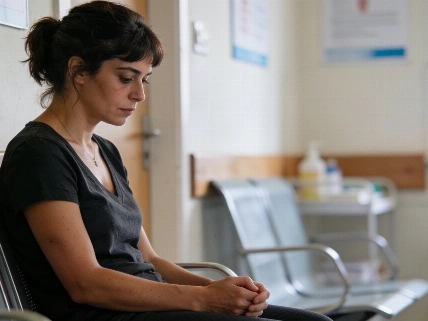
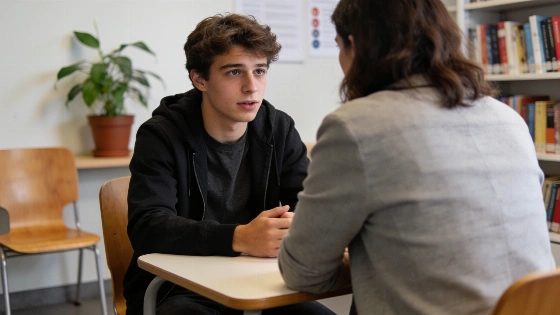
For students, one of the most direct changes is the right to free and accessible psychological guidance and mental-health care at every university. Institutions have up to twelve months to make new support units available and revise their internal assessment or coexistence rules. The statute also provides for university units and protocols to prevent and address cases involving suicidal conduct, and to intervene when they arise.
The statute formally recognises academic strikes, or academic stoppages, as a form of student protest. They may be total or partial. Universities are to establish procedures and conditions for exercising the right, with student representatives involved. The rules must also respect the right of students who do not take part to continue their education.
It also establishes the Consejo de Estudiantes Universitario del Estado as the main national body for deliberation and consultation with the Ministry. One student from each university will sit on it. The body will also include regional representatives and representatives of student associations. The Government must consult it before approving scholarships or rules affecting students, and it must be constituted within four months.
Work placements come with specific safeguards: students cannot be used to fill real jobs, and they are to be included in Social Security contributions. The rules also provide for tutors at universities and workplaces. In examinations, continuous assessment becomes the general approach. Exams covering different subjects cannot be scheduled less than 24 hours apart. Students may request a date change for justified reasons and keep a copy of corrected tests.
The statute also recognises students’ right to combine study with work or family life through conciliation plans. Students, in turn, must meet academic commitments and follow teaching guidance. The rules require honesty in assessment, including a ban on inappropriate use of AI. They also require respect for others and care of university facilities.
USO welcomed the protections for students and supports the rules on work placements and balancing study with other responsibilities. A separate debate over a constitutional abortion safeguard was covered in this earlier report. That proposal is distinct from the university statute.
The Consejo de Estudiantes Universitario del Estado must be constituted within a maximum of four months.