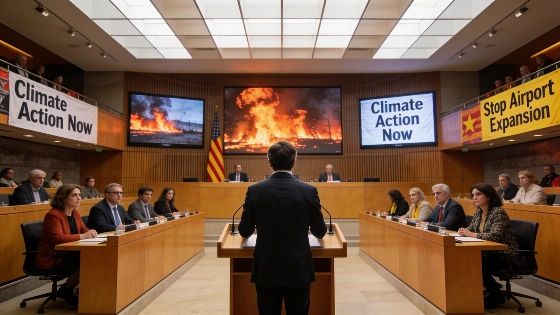
Despite €20 million in government support, most Catalan municipalities have yet to update or approve their wildfire emergency plans. The slow progress leaves many areas exposed as extreme heat raises fire risks across the region.
More than half of Catalonia’s municipalities required to have a wildfire emergency plan remain without an up-to-date or approved document, according to the latest figures from Protección Civil. Despite a €20 million investment by the Generalitat to help local councils prepare for climate-related disasters, the process of regularizing and updating these plans has stalled, leaving hundreds of towns without adequate protection as wildfire risks intensify.
Of the 947 municipalities in Catalonia, 758 are legally obliged to maintain a specific wildfire response plan known as Infocat. Yet as of July 2026, 317 of these towns—41%—still have plans pending review, while 122 municipalities have no available information on the status of their emergency protocols. Only 97 municipalities have managed to regularize their plans this year. The majority of councils rely on generic, multi-risk documents that also cover chemical spills, earthquakes, and floods, but Protección Civil stresses the need for tailored wildfire strategies due to the unique challenges and investments required for each type of emergency.
Several major cities, including Lleida and Mollet del Vallès, are among the 122 municipalities with no specific information on their wildfire plans. In addition, towns such as Badalona, Tarragona, Santa Coloma de Gramenet, Sant Andreu de la Barca, El Vendrell, Calafell, and Sant Sadurní d’Anoia are still waiting for their plans to be reviewed. The process is further complicated by administrative delays and confusion over the different stages of civil protection documentation, with some councils citing the technical complexity and the need for municipal approval as reasons for the slow progress.
Santa Coloma de Gramenet, for example, had its plan approved until December 2025 but is now undergoing a comprehensive update, which local officials describe as a complex and lengthy process. The cost of preparing these plans, often outsourced to specialized firms, ranges from €3,000 to €15,000. Once updated, each plan must be homologated and ratified by the municipal council before it becomes effective.
The urgency of the situation has increased as Catalonia faces a new heatwave, with Protección Civil maintaining a wildfire alert due to forecasted temperatures above 40°C and relative humidity below 30%. According to Agents Rurals, 43 municipalities across seven comarcas are now at the highest risk level (Plan Alfa 4), while another 218 are at level 3, indicating very high danger. Access to protected natural areas in Montmell-Marmellar, Montsant, and Prades remains restricted as a precaution. Authorities expect the heightened risk to last about a week, with particular concern for the Pre-Pyrenees of Lleida, the interior of Terres de l’Ebre, and Central Catalonia.
Wildfires have become a growing threat in Spain, with climate change contributing to longer and more intense fire seasons. In recent years, the country has experienced some of the largest wildfires in its history, prompting both national and regional governments to invest in prevention and emergency response. The Infocat plan is a key part of Catalonia’s strategy, aiming to coordinate local, regional, and national resources during fire emergencies. However, the slow pace of plan approval and updates leaves many communities vulnerable, especially smaller municipalities with limited technical and financial capacity. The Generalitat’s funding is intended to address these gaps, but the administrative burden and technical requirements continue to delay progress. As extreme weather events become more frequent, the effectiveness of local emergency planning will remain a critical issue for Catalonia and other fire-prone regions of Spain.