Ibiza authorities are intensifying efforts against underground afterparties as organizers find new ways to evade police and fines of up to 300,000 euros. Recent raids have uncovered a network of secret gatherings in luxury villas, coordinated through Telegram and hidden behind soundproofed basements. Police and residents say the problem is growing and getting harder to control.
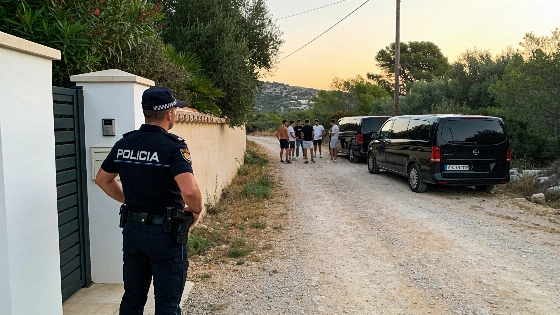
Police chief José Granados and his team in Sant Josep have started using undercover tactics, including fake profiles to access Telegram groups promoting afterparties, sometimes alongside club discounts and drug offers. Still, many searches lead nowhere. Organizers respond only to trusted contacts, then shuttle guests from discreet meeting points to hidden villas. Police face another hurdle: they can’t enter private homes without a warrant except in rare cases, which limits their ability to intervene.
Radio Ibiza reported that in early September 2026, authorities in Ibiza opened four new cases against illegal tourist apartments after conducting around 30 inspections in just one week. They also issued €27,400 in transport-related fines.
Residents are speaking out more often. Joan Tur Rosselló, who leads the Santa Gertrudis neighborhood association, describes a steady stream of black vans on rural roads and partygoers crossing paths with children heading to school. Complaints have increased, and neighbors have collected hundreds of signatures calling for action as a constant flow of nightlife disrupts the island’s usual routines, from clubs to beach events.
For legal nightlife businesses, the rise of unlicensed villa parties is a direct threat. José Luis Benitez, from the Ocio de Ibiza association, points to missing safety rules and tax evasion, which give illegal operators an unfair edge. Licensed clubs must follow strict rules on capacity and noise, as well as security requirements. Illegal events operate without oversight, putting guests and the island’s reputation at risk. Authorities have raised fines and now penalize property owners, suppliers and even attendees, but enforcement remains difficult.
Radio Ibiza reported that, in late August and early September 2026, Ibiza authorities intensified their crackdown on illegal villa parties and unlicensed holiday lets, while also targeting transport violations. Over the summer, systematic raids led to a total of 15 cases against illegal tourist accommodations. More than 140 people were arrested on drug-related charges since June 1, as part of a broader campaign targeting the island's shadow tourism economy.
Organizers have adapted quickly. Some parties are commercial, charging for entry and drinks at prices below those of major clubs. Others are funded by wealthy individuals seeking exclusivity, with no direct profit motive but the same disregard for licensing laws. Police distinguish between these types, but both are illegal under local rules. The Consell d’Eivissa has even hired private detectives to gather evidence, though, as noted in a previous investigation, resources are often stretched thin by more urgent incidents.
Recent seasons have brought high-profile interventions. In Sant Antoni, a thousand guests were evicted from a millionaire’s party; drug-related arrests followed a Santa Gertrudis afterparty, while a rave was broken up in Sant Miquel. Still, the business continues. Some local suppliers now flag suspicious clients in their phones after criminal groups left them unpaid. The risk of heavy fines has also made legitimate small businesses wary of providing services, even for private gatherings, for fear of being implicated.
Ibiza’s villa party scene has long operated in the shadows, but the current wave is more organized and harder to track. Authorities’ struggle to keep up reflects a deeper conflict over the island’s identity and economy. Demand persists, while legal loopholes limit enforcement, and underground parties are likely to continue, leaving the official sector and the community to deal with the fallout.