The IMF plans to open an office in Caracas during the first half of 2027. The move follows renewed data sharing and Venezuela's return to international financial engagement.
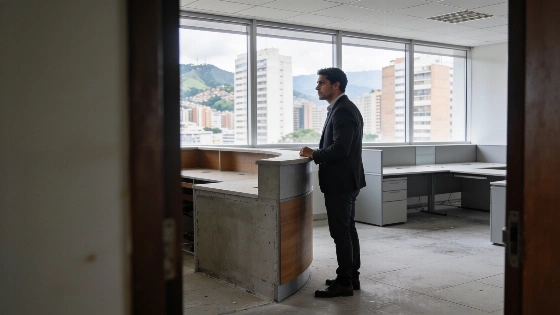
The International Monetary Fund plans to open a representation office in Caracas during the first half of 2027. An IMF team would then have a base in Venezuela as the country resumes sending monetary and fiscal data. The move also gives institutional weight to the diplomatic rehabilitation of Caracas backed by US President Donald Trump.
Kristalina Georgieva gave the timetable to Bloomberg after meeting Venezuela's interim president, Delcy Rodríguez, in New York. She said the inauguration would take place at "algún momento del primer semestre de 2027". The office is still a future plan, not an operating facility. The meeting took place on September 21, 2026, according to Intellinews and El Espectador.
The IMF’s institutional relationship with Venezuela was reported to have resumed in April 2026 after being suspended in March 2019. The restoration of ties does not by itself represent approval of a new IMF financing package.
For Venezuela, the practical change is the return of regular technical contact with the fund. An IMF delegation visited the country in July for the first time in more than 20 years. The planned office would support the assistance already being provided as Caracas resumes sending economic data. Intellinews and The Rio Times described the renewed data exchange and the July visit as important steps toward rebuilding technical cooperation.
The diplomatic shift followed the official restoration of relations between Venezuela and the IMF more than five months ago. It happened under the provisional government led by Delcy Rodríguez after US forces captured Nicolás Maduro in January. The renewed relationship is being presented as a return to institutional ties, not as an immediate lending arrangement.
The financial opening is moving alongside a separate effort to bring foreign capital into Venezuela's oil sector.
The IMF’s projected-payments tables list approximately 20.7 million SDR in payments for Venezuela in 2027 under one schedule and about 28.5 thousand SDR under another category. These figures describe scheduled obligations and should not be treated as evidence that a new lending program has been approved.
Caracas has changed its laws at the request of the United States to let overseas investors enter the hydrocarbons sector. Halliburton announced agreements with Brazil's Eneva and Venezuela's West-Construcciones, C.A. (Wesca) to build oil infrastructure. TotalEnergies signed a strategic cooperation document with Petróleos de Venezuela (PDVSA) one day earlier.
The largest arrangement described in the source involves North American Blue Energy Partners (Nabep). Under the agreement reached by Trump and Caracas, the United States would receive a 35% stake in the company. Nabep holds a 100-year concession covering 17 fields with proven reserves of 65 billion barrels. Washington also secured the right to buy 20% of the crude at cost price.
Together, these measures give the IMF office a role beyond a Caracas address. It would provide a permanent base for technical assistance as Venezuela reconnects with international institutions and opens its main export industry to foreign participation. The sequence is clear. Renewed economic reporting supports IMF engagement, while legal changes make oil projects available to outside companies.
The planned office is the clearest institutional sign yet of Venezuela's return to formal financial contact with the IMF. The oil agreements show where the commercial value of that rehabilitation lies. Based on the reported facts, this is not a broad economic reopening without conditions. It is a linked package involving diplomatic restoration, data sharing, and access to the energy sector. The IMF's presence would formalize the technical side, while the new petroleum deals give the process an immediate business dimension.
The shift also places Venezuela within a wider pattern of international investment interest discussed in an earlier investment report. In Caracas, the stakes are more concentrated. The IMF is preparing a local presence, and foreign companies are already signing oil agreements. That is the practical meaning of the 2027 timetable. Delcy Rodríguez also met with the leadership of the Inter-American Development Bank and the World Bank in New York, according to Energy News. The meetings indicate that Caracas is seeking wider contact with international financial institutions.