A Seville judge has closed the case against the Casa de Alba over alleged illegal water extraction near Doñana. After years of investigation and millions of litres in question, the court found no proof of environmental crime.
The long-running case over the Casa de Alba’s alleged illegal water use near Doñana has ended. Judge Pablo Aragón dismissed the charges, finding no evidence that the family’s unauthorized wells caused measurable harm to the aquifer or the protected environment. The case had dragged on for three years, with the Guardia Civil and the Fiscalía accusing the landowners of taking nearly 3.8 million cubic meters of water without permits. Reports from EFE and El País note that the judge stressed unauthorized extraction alone is not a crime unless it leads to serious environmental damage.
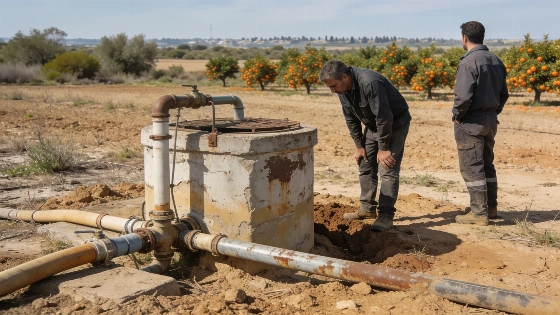
The dispute focused on the Aljóbar estate in Aznalcázar, outside Seville, where Eurotécnica Agraria—owned by the Casa de Alba—ran nine wells for about ten years. Only two had permits. Investigators said the unlicensed wells lowered groundwater, increased soil salinity, and contributed to desertification, estimating ecological damage at around six million euros. Still, the judge ruled the evidence was too weak for criminal charges, pointing out that the Aljarafe Sur aquifer was not officially overexploited. As elDiario.es reported, the court found no clear link between the wells and any change in the water balance.
"The Confederación Hidrográfica del Guadalquivir eventually legalized the disputed wells, allowing irrigation to resume and complicating the criminal prosecution."
— El País
In the end, the government’s Confederación Hidrográfica del Guadalquivir legalized the wells, letting irrigation continue as before. This move erased the regulatory violations, even as the Guardia Civil insisted the environmental impact was serious. The court’s decision has drawn criticism from environmental groups, with Ecologistas en Acción preparing an appeal to the Audiencia de Sevilla. The Fiscalía is also reviewing the judge’s order before deciding on next steps. According to Ultima Hora, both the environmental group and the prosecution are waiting for the full ruling to plan their response.
The investigation began after former workers from the Alba family’s 200-hectare orange grove reported the unauthorized water use. Their testimony led to the probe, with the Guardia Civil estimating the illegal extraction at between 3.8 and 6.6 billion liters. But Judge Aragón’s ruling said the case failed to show a direct link between the extractions and lasting environmental harm. The outcome reflects the difficulties Spanish authorities face in prosecuting high-profile environmental cases, as seen in other recent examples involving judicial scrutiny of law enforcement actions.
The Casa de Alba’s legal win shows how hard it is to hold powerful landowners accountable for environmental violations, especially when regulators later legalize questionable practices. Environmental groups are frustrated, and the case signals to other large agricultural interests that enforcement is inconsistent. In a region where water scarcity and ecological protection are constant issues, this case highlights the gap between environmental promises and what happens in court.
"The case remains a symbolic example of the ongoing conflict between agricultural water use and the protection of aquifers around Doñana. New legal actions could again raise the question of where the line lies between administrative violations and environmental crimes."
— elDiario.es