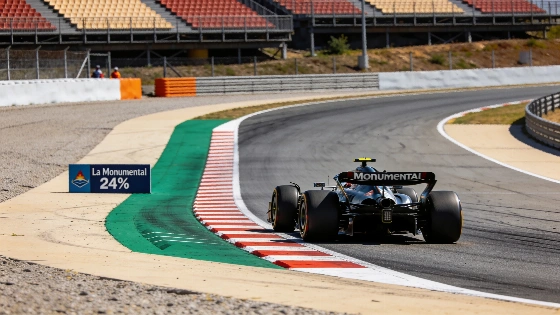
The new Madring circuit opens with the dramatic La Monumental curve. Drivers face a 24 percent incline and 550 meters of sustained pressure. With no previous records, every decision is a gamble.
The Spanish Grand Prix in Madrid looks different this year. The new Madring circuit has arrived, and with it comes La Monumental—a curve with a 24 percent incline and a 550-meter stretch that is already pushing drivers and cars to their limits. With no previous races here, teams are flying blind. Every lap is a test, and every adjustment matters.
La Monumental stands out, both for its technical demands and its place at the heart of the track. Drivers have to hold the car steady for several seconds, which puts extra stress on the tires and leaves no room for error. The curve’s design is meant to draw attention, and it’s likely to be the main talking point for fans and engineers all weekend. According to official information from McLaren and the FIA, Madring will host the Spanish Grand Prix from 2026, with a contract running at least through 2035.
La Monumental is inspired by the architecture of Spanish bullrings and is designed to offer multiple racing lines, encouraging wheel-to-wheel battles.
Unlike older tracks, Madring offers no reference points. There are no lap records, no tried-and-true strategies, and no data on the best places to start. Teams have to figure out the circuit as they go, analyzing every corner in real time. The 5.414-kilometer layout includes 22 turns, mixing long straights with tight, narrow sections and heavy braking zones. This forces engineers to constantly weigh the trade-off between reducing drag for speed and adding downforce for grip. ESPN and other outlets note that the combination of long, banked turns and technical sections will likely create some of the highest vertical loads on tires in the current Formula 1 season.
Saturday’s schedule is packed. Formula 3 starts at 11:05, but most attention is on Formula 1’s final free practice (FP3) at 12:30. This is the last hour for teams to test changes after Friday’s sessions. With rising track temperatures and no past experience to rely on, every setup call is a risk. Later in the afternoon comes the first-ever Formula 1 qualifying session at Madring, which will set the grid for Sunday and shape the championship fight.
Kimi Antonelli arrives in Madrid at the top of the standings after a win in Monza. George Russell is 66 points behind, and Mercedes faces extra pressure to adapt quickly to these new conditions. As the season goes on, each qualifying session becomes more important, and team strategy is under the microscope.
Pirelli and technical reviews highlight that La Monumental is expected to generate some of the highest vertical tire loads of the season, primarily due to the extended duration of the banked section rather than just the angle itself. This unique challenge is anticipated to increase the likelihood of driver errors, safety car deployments, and even red flags, as teams have no historical setup data for reference.
Weather could add another twist. Forecasts call for a dry, sunny day with temperatures climbing. After tire wear problems on Friday, teams are already on alert, and the heat may force last-minute changes to car setups. The challenge is as much about tactics as it is about engineering, with everyone trying to predict how the conditions will affect grip and performance.
With no history at Madring, every session is an experiment. Teams are collecting data on the fly, searching for the right balance between straight-line speed and cornering stability. The learning curve is steep, and mistakes will be costly with so much on the line for both the championship and the debut of this high-profile Spanish venue.
Madrid’s investment in the Madring circuit is a clear move to raise Spain’s profile in Formula 1. La Monumental is more than just a new corner—it’s a challenge for the world’s best drivers and a statement about the city’s ambitions in motorsport. With no tradition to fall back on, teams have to innovate and take risks. This weekend, the Spanish Grand Prix is a test bed for the future of Formula 1 in Spain, and the results will set the tone for years ahead.