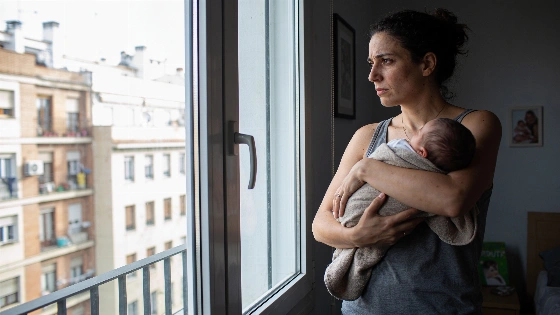
Rocío Muñoz’s return home with her newborn has brought her long-running dispute with Omar Montes into the courts. Muñoz insists Montes is the father, while he flatly denies any connection. The conflict, public for months, has become a legal battle over paternity and reputation.
Muñoz, who previously worked as an esthetician and now runs her own business, announced on social media that she and her baby are home. She described her happiness but also spoke about difficulties during her pregnancy, including what she says were threats and pressure from people close to Montes. Her posts have kept the story in the headlines and fueled speculation about the child’s paternity. Major Spanish media report that Muñoz plans to ask the court for a DNA test to formally establish who the father is, a step now possible since the baby has been born.
Montes, a singer known for his past relationship with Chabelita, has responded with frustration. He says he has filed a defamation suit against Muñoz and is seeking €500,000 in damages. Multiple independent publications have confirmed the amount. Montes continues to deny any relationship with Muñoz and says her claims are false and damaging. Reports from Europa Press and other outlets note that Montes has included Muñoz’s public statements about threats during her pregnancy in his legal complaint.
The dispute escalated after Muñoz said she would request a court-ordered paternity test once the baby arrived. This followed months of public tension, with Muñoz naming Montes as the father while he maintained his relationship with Lola Romero. Montes and Romero welcomed their own child, Ismael, in October 2025. Montes also has a teenage son, Omar Jr., from a previous relationship.
The case has sparked debate in Spain about privacy and the risks public accusations pose to celebrities. The courts will now decide whether Muñoz’s claims stand up or Montes’s defamation suit prevails. The outcome could shape how similar disputes are handled, especially as both sides use social media to make their case.
The next basic legal step is a potential court-ordered DNA test. If granted, it would serve as basic evidence in the dispute. Spanish law allows for such tests when paternity is contested, and the results can have impressive implications for child support and parental rights.
Spain has seen a rise in high-profile paternity disputes involving public figures, often leading to drawn-out legal battles and extensive media coverage. The law allows for judicial paternity tests when parentage is in question, but the process can be slow and emotionally charged. In this case, both sides have put their reputations and financial interests on the line, with Muñoz seeking recognition and Montes demanding compensation for alleged slander. The court’s decision will settle the immediate question of paternity and may influence how future cases play out in the age of social media. With both camps refusing to back down, the dispute has become one of the most closely watched celebrity legal battles in recent years.