Luis Ángel Echevarría Muñiz, father of actress Paula Echevarría, has died in Gijón at 76. The family prepares for his funeral in Candás. His passing leaves a significant mark on those close to him.
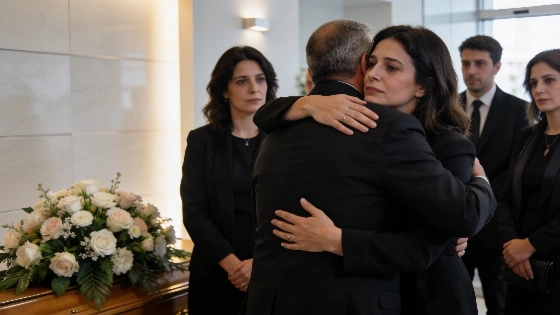
The death of Luis Ángel Echevarría Muñiz, father of well-known actress Paula Echevarría, has brought a period of mourning to the family and their circle in Gijón. Echevarría passed away at the age of 76, a loss that has deeply affected relatives and friends. The wake is being held at the Sala 1 of the Tanatorio de Candás, where loved ones are gathering to pay their last respects. The funeral is scheduled for Friday, July 31, at 17:00 in the parish church of San Félix de Candás (Carreño), after which his remains will be cremated at the Tanatorio de Avilés.
Throughout his career, Luis Ángel Echevarría worked first as a welder and later as a train driver for FEVE, remaining with the company until retirement. Despite his professional achievements, he was most recognized for his dedication to family. He is survived by his wife, Elena Colodrón Sánchez, his children Luis Manuel and Paula Echevarría, and grandchildren Leire, Daniella, Aitana, and Miguel, as well as siblings, nieces, nephews, and many friends who now mourn his absence.
Paula Echevarría often highlighted the special bond she shared with her father, even though he stayed away from public attention. On social media, she regularly posted family photos and heartfelt messages, especially on occasions like Father’s Day, expressing gratitude for his support and the confidence he instilled in her. In one of her most touching dedications, she thanked him for teaching her to believe in herself and described him as both her greatest admirer and the person she admired most.
In her posts, Paula also described her father as gentle and affectionate, often joking about the family dynamic and emphasizing the trust both parents placed in her. She credited them with encouraging her to pursue her dreams, no matter how ambitious. The actress, known for her role in the series Velvet, also celebrated her parents’ 51st wedding anniversary in 2023, calling it their “golden wedding plus one” and expressing gratitude for the family they built together.
The Echevarría family has long been noted for its closeness and mutual support. Paula frequently spoke about the strong relationship her parents maintained with their grandchildren, referring to them as “super-grandparents” for their dedication. She often recalled how friends and acquaintances would remark on her father’s kindness, a sentiment she echoed with pride. The loss of Luis Ángel Echevarría is felt not only within the family but also among those who knew him personally.
Public figures in Spain have faced similar moments of loss in recent years. For example, the Spanish film industry recently mourned the passing of Manolo Solo, another respected figure, whose death was covered in detail in reports such as this account of his impact on Spanish cinema. Such events highlight the personal and public dimensions of loss within the country’s cultural landscape.
Gijón, where Echevarría spent his final days, is a city in Asturias known for its industrial heritage and strong community ties. The Tanatorio de Candás and the parish church of San Félix de Candás are significant local venues for farewells, reflecting the traditions of the region. FEVE, the railway company where Echevarría worked, has played a key role in northern Spain’s transport network, connecting communities and supporting local economies. The Echevarría family’s story resonates with many in Spain, where family bonds and generational ties remain central to social life. The passing of a figure like Luis Ángel Echevarría serves as a reminder of the enduring importance of these connections in Spanish society.