In 2025, oncology treatments took an average of 627 days to receive funding in Spain after European approval, according to the Spanish Association of People Affected by Lung Cancer (AEACaP). That is far above the 180-day benchmark cited by the association.
AEACaP’s report, Cáncer de pulmón: diagnóstico de la situación en España, lays out five proposals to change how patients move through care. It estimates that Spain will record more than 34,000 new lung cancer cases in 2026; between 70% and 80% are expected to be diagnosed at an advanced stage. Five-year survival stands at 19.9%, while detection at the earliest stage can raise survival to between 55% and 92%.
The association’s president, Bernard Gaspar, said lung cancer causes more deaths than any other tumour but receives 4% of public oncology investment. A separate call for sustained cancer research funding in Euskadi featured in Euskadi cancer funding coverage.
To address delays, AEACaP wants a priority assessment route called “oncological urgency”. It proposes a maximum negotiation period of 90 days for tumours with metastatic survival below 15%. The aim is to speed up assessment and funding when time is especially critical.
It also proposes quarterly publication and audits of open data showing how long each medicine takes to reach patients in each autonomous community. The association says comparable regional figures would expose differences and make delays easier to assess.
The plan also calls for expanded lung cancer screening and molecular diagnosis to be added to the common services portfolio under a single national protocol. Spain has screening programmes for colorectal cancer. Breast and cervical cancer are also covered; lung cancer is not. The association points to pilot initiatives such as CASSANDRA.
Early detection is behind that push. Luis Montuenga, principal investigator of the Biomarkers and New Therapeutic Targets in Lung Cancer Research Group at Clínica Universidad de Navarra, has argued that pilot programmes can help establish a responsible approach to implementation. Javier de Castro, head of section in the Medical Oncology Service at Hospital Universitario La Paz and president of SEOM, has stressed that molecular tests need to be available from the first stages of care, with coordinated pathways to deliver them at the right time.
The other proposals focus on evidence and national coordination. AEACaP wants stronger support for the GECP Thoracic Tumour Registry and real-world evidence included in therapeutic positioning reports. It also calls for a dedicated national lung cancer strategy to coordinate responses across Spain.
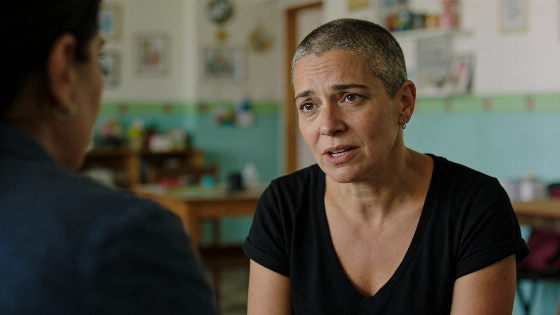
AEACaP’s campaign, «¿A qué estamos esperando?», uses a waiting-room metaphor and patient testimonies to distinguish the time patients experience from the time recorded by the health system. The report says 73% of patients were unaware of their risk, while 78.2% had insufficient knowledge of symptoms before diagnosis. It also records emotional difficulties that 97.6% found hard to manage, along with a negative mental-health impact reported by 66.4%.
Stéphanie Oyonarte Da Rocha, an AEACaP board member who took part in the campaign, said the wait can begin before diagnosis, with a lack of awareness and uncertainty. The report also says one in three people with lung cancer rarely or never tells their healthcare team how the disease affects them emotionally and physically.