Astrid Gil-Casares has formally allowed Madrid authorities to reveal details of the controversial €6.3 million attic sale. The move removes a key obstacle in the ongoing political dispute involving Isabel Díaz Ayuso.
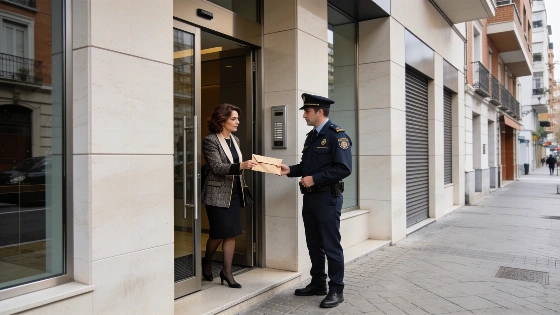
The seller of the high-profile Chamberí penthouse, Astrid Gil-Casares, has officially authorized the Community of Madrid to disclose information about the €6.3 million transaction that has placed Isabel Díaz Ayuso’s administration under scrutiny. This written consent, confirmed by two sources to EL PAÍS, comes as pressure mounts on regional authorities to clarify the circumstances of the purchase, which was made through the public company Planifica Madrid.
Gil-Casares, a well-known figure in Spain’s social and business circles, did not object to her name or details of the deal being made public. According to sources familiar with the process, she complied with the request as a formality, since the confidentiality agreement signed at the time of sale was unilateral and only restricted her, not the administration. The agreement, therefore, remains in effect as originally drafted, but no longer blocks the release of information from the public side.
Despite this development, Planifica Madrid has yet to provide the full documentation related to the purchase. The company extended the deadline by another 20 working days after receiving Gil-Casares’s response on August 24, citing the high volume and diversity of information requests. Among the documents sought are records identifying who authorized the acquisition, the board minutes, feasibility studies, appraisals, and the official deed of sale.
The regional government has so far delayed publication of the file detailing how the penthouse—unsuitable for use as an office or presidential residence—was acquired. Initially, the property was presented as a temporary office for Ayuso, but this explanation came before news of planned renovations at the Sol headquarters emerged. The lack of clear answers has fueled internal concern within the Partido Popular and triggered a wave of transparency requests, as well as legal complaints from the PSOE, another political party, and two private individuals. The case is now before Madrid’s Court No. 8.
Gil-Casares’s consent followed a formal hearing by Planifica Madrid, which treated her as a third party affected by the transparency requests. Notably, the confidentiality clause was not her demand, and she has now explicitly agreed to the release of transaction details. This removes any private-party barrier to disclosure, leaving Planifica Madrid solely responsible for deciding what information to publish or withhold under transparency laws.
Spanish transparency legislation obliges public entities like Planifica Madrid to justify any redactions, limiting them to data that could affect legitimate rights or interests. If only part of a document is sensitive, the rest must be provided with the affected sections anonymized or removed. The seller’s consent now eliminates the main argument for withholding information on privacy grounds.
This episode highlights ongoing tensions over public property acquisitions in Spain, especially when political figures are involved. The Chamberí penthouse case has become a focal point for debates about transparency and accountability in regional government. For context, similar scrutiny has surrounded other high-profile political controversies in Spain, such as the migration crisis in Ceuta, where leadership decisions have drawn national attention—see this analysis of the situation in Ceuta’s government: how Ceuta’s president managed a major political crisis.
In Spain, public companies are subject to strict transparency obligations, especially regarding real estate transactions involving public funds. The Chamberí case underscores the importance of clear procedures and open communication to maintain public trust. As the deadline for Planifica Madrid’s response approaches, attention remains focused on whether the full details of the controversial purchase will finally be revealed and what impact this may have on the region’s political landscape.